
When summer hits NYC, backyard BBQs become a staple in neighborhoods and on rooftops across the five boroughs. But while the burgers sizzle soda cans are being opened and a sense of happiness fills the air, injury risks at Backyard BBQs often go unnoticed, especially in a dense, fast-paced city like New York.
1. Slippery Rooftop Surfaces
New Yorkers love a rooftop BBQ. But many of these spaces weren’t originally designed for grilling. Add spills from drinks, grease from food, and sudden rain, and you’ve got a recipe for slip-and-fall accidents. According to NYC.gov, certain rooftops are subject to restrictions to host open flames. That doesn’t stop people, but it can lead to serious injuries when conditions aren’t safe.
Here’s a breakdown of the rooftop restrictions of BBQs according to NYC.gov barbecue restriction sheet:
- NYC Rooftop Restrictions:
- Barbecues: While some types of barbecues are permitted on rooftops, others are strictly prohibited.
- Propane BBQs: Standard backyard propane barbecues with 20-pound tanks are generally prohibited on apartment building rooftops under NYC fire safety regulations. However, small propane tanks (under 16.4 ounces) can be used for a short period on a roof, with a 10-foot clearance from combustible materials.
- Charcoal BBQs: Charcoal barbecues are not permitted on balconies or roofs of apartment buildings.
- Natural Gas BBQs: These are allowed but must be installed by a Licensed Master Plumber according to the NYC Fuel Gas Code.
- Electric BBQs: Electric grills are generally allowed on residential rooftops, but require a sufficient electrical current and 10-foot clearance from flammable materials.
- Open Flame Decorative Devices: Specific regulations apply to the use of candles and other open-flame decorative devices, including requirements for noncombustible materials, holders to prevent tipping and minimum clearances.
- Food Warming Devices: LPG-fueled open flame food warming devices require a permit and must be placed on non-combustible surfaces and constantly attended.
- Barbecues: While some types of barbecues are permitted on rooftops, others are strictly prohibited.
2. Crowded Common Areas with Limited Exits
In apartment buildings, shared BBQ areas tend to pack in guests. When something goes wrong, like a grease fire or propane leak, escaping through narrow hallways or staircases can be difficult. Data from the National Fire Protection Association (NFPA) shows that grills cause an average of 10,600 home fires each year. When similar incidents occur in dense or confined urban spaces like NYC, the risk of injury may increase.
Do you want to learn more about NYC accident trends? Read more in our blog: Why July 4th Weekend Sees a 40% Spike in Drunk Driving Accidents
3. Children’s Play Areas Near Grilling Equipment
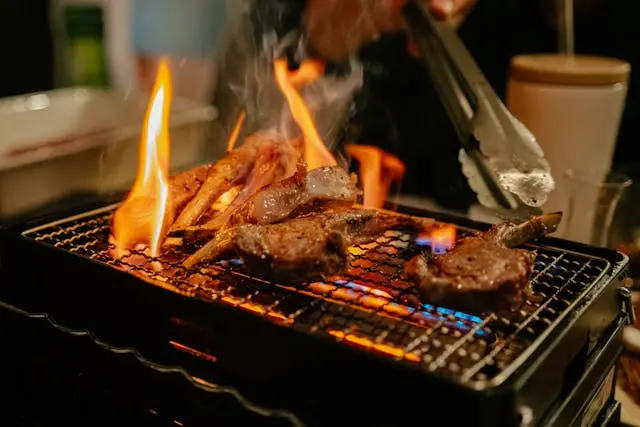
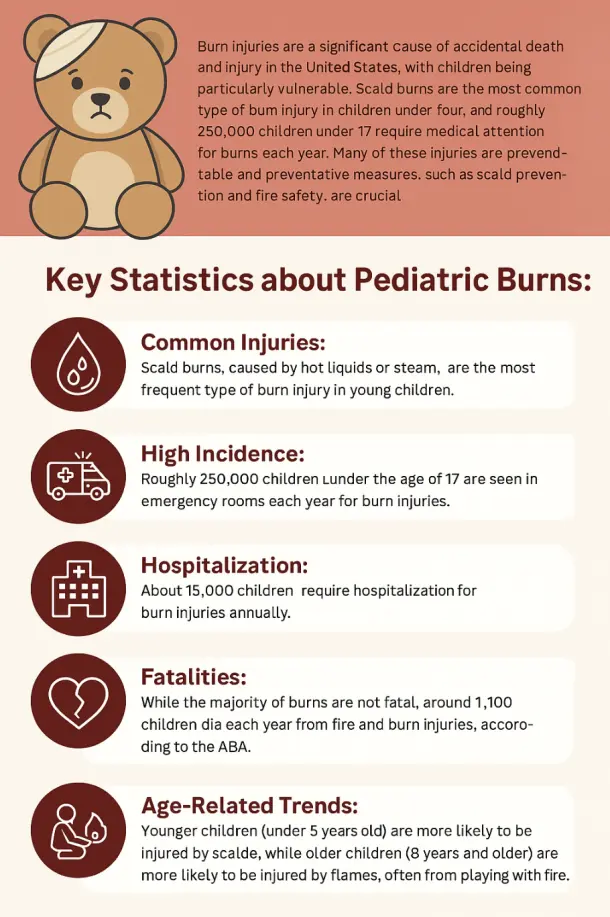
Here’s the risk most people overlook: kids running around. In NYC, where backyards and rooftop spaces are limited, kids often play wherever there’s room. That sometimes means near grills, propane tanks, or electrical wires. According to the American Burn Association, almost one-quarter of all burn injuries in the U.S. occur in children under 15. One misstep near a hot grill or tray can lead to lasting injuries.
Protect Your Loved Ones From A Potential Injury Risk at a BBQ
At WSAT Law, At WSAT Law, we advocate for those injured when unsafe conditions lead to harm, including injuries that happen during holidays and celebrations. If you or a loved one suffered harm due to unsafe conditions at a BBQ or any gathering, we’re here to help.
Call (212) 683-3800 or reach out to William Schwitzer & Associates for legal assistance.
Important:
This information is only a general guide and is NOT LEGAL ADVICE. Each case is different.Images used are conceptual illustrations.The best option is to call our offices for specialized help.Call (212) 683-3800 to contact William Schwitzer & Associates for legal assistance.