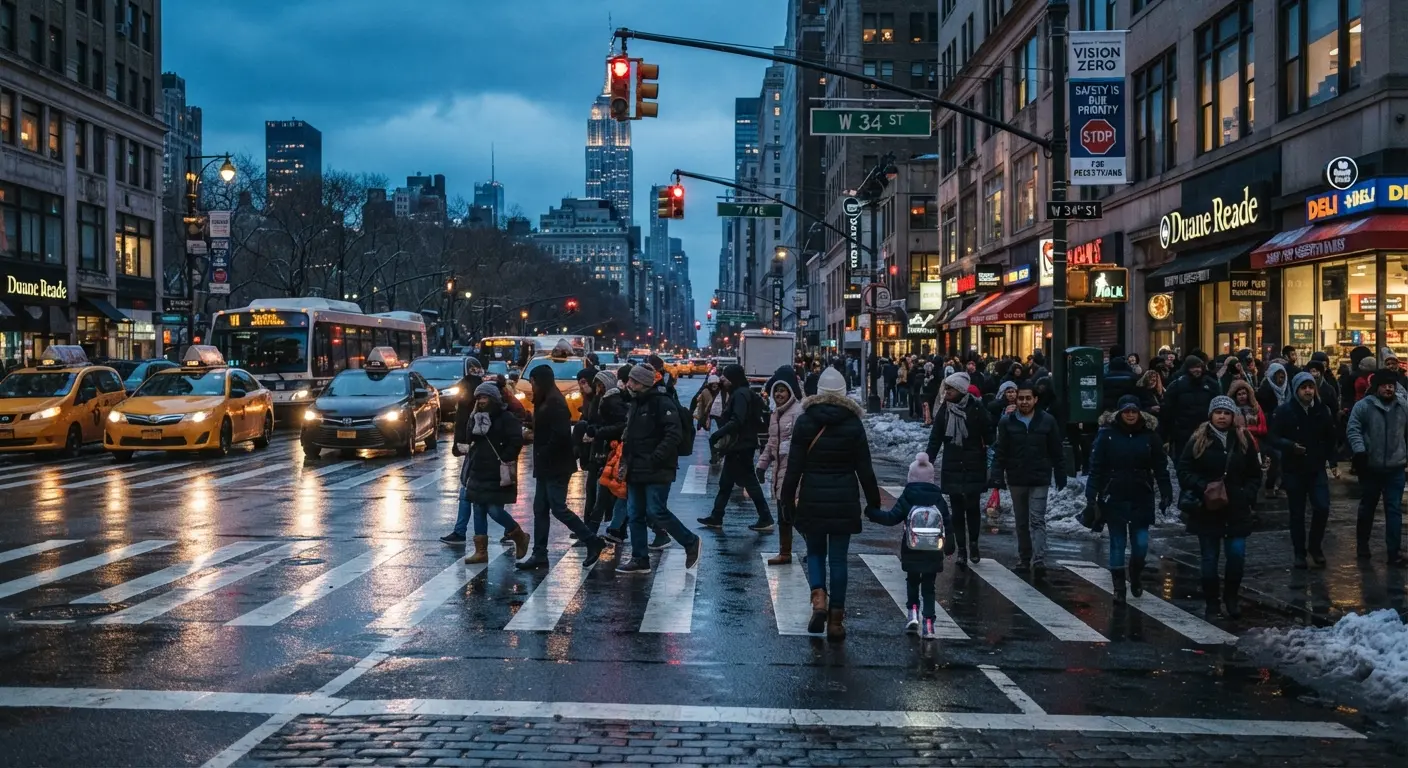
A warning about drunk driving returns each December, but the numbers behind it remain deeply troubling. In 2024, someone died in an alcohol-impaired driving crash every 44 minutes in the United States, according to the National Highway Traffic Safety Administration (NHTSA).
That represents 11,904 lives lost in a single year.
As December marks National Impaired Driving Prevention Month, the federal campaign brings renewed attention to a danger that affects drivers, passengers, pedestrians, and families across New York City.
Nearly 12,000 Deaths: The National Cost of Drunk Driving
NHTSA’s 2024 data reveals the scale of alcohol-impaired driving fatalities nationwide:
- 11,904 people died in alcohol-impaired driving crashes.
- 30% of all traffic fatalities involved an alcohol-impaired driver.
- One person died every 44 minutes, on average.
- Fatal crashes involving alcohol-impaired drivers occurred at a rate three times higher at night than during the day.
These findings, highlighted in NHTSA’s August 2026 announcement, reinforce the continuing consequences of impaired driving, even as nationwide alcohol-impaired driving deaths declined by nearly 4% in 2024.
Behind every statistic are individuals whose lives ended unexpectedly and families left dealing with the consequences.

December Brings a Nationwide Focus on Impaired Driving
December’s prevention efforts coincide with holiday gatherings, celebrations, and increased travel.
According to NHTSA’s 2026 communications calendar, two national enforcement campaigns are scheduled from December 16, 2026, through January 1, 2027:
- Drive Sober or Get Pulled Over, addressing alcohol-impaired driving.
- Drive High, Get a DUI, addressing drug-impaired driving.
The campaigns emphasize the dangers and legal consequences of operating a vehicle while impaired.
Their message extends beyond the holidays. Impaired driving remains a year-round public safety concern, with potentially devastating consequences for people who had no involvement in a driver’s decision to consume alcohol or drugs.
Why the Warning About Drunk Driving Matters in NYC
New York City’s busy streets create significant risks when motorists operate vehicles while impaired.
Pedestrians crossing intersections, cyclists traveling through neighborhoods, and motorists returning from work can all be affected by a single dangerous driving decision.
The concern is not new. In December 2025, the NYC Department of Transportation and NYPD announced expanded holiday enforcement efforts targeting speeding and driving while intoxicated.
That initiative reflected the city’s ongoing Vision Zero commitment to reducing traffic deaths and serious injuries.
For New Yorkers, the warning about drunk driving is particularly relevant during winter evenings, when reduced daylight and busy streets can create additional traffic safety challenges.
Drug-Impaired Driving Is Part of the Same Crisis
Alcohol is not the only substance capable of affecting driving ability.
According to NHTSA’s drug-impaired driving research, marijuana, opioids, certain prescription medications, and some over-the-counter drugs can interfere with judgment, coordination, or reaction time.
Combining substances can further increase impairment.
New York recognizes multiple alcohol- and drug-related driving offenses. The New York State DMV identifies driving while intoxicated, driving while ability impaired by drugs, and driving while impaired by a combination of alcohol and drugs as distinct violations.
Although the 44-minute national statistic specifically measures alcohol-impaired driving deaths, December’s prevention efforts address the broader danger of impairment from multiple substances.
When an Impaired Driving Crash Becomes a Matter of Legal Accountability
When an impaired driving crash causes injuries or death, the consequences may extend beyond criminal enforcement.
Civil cases involving these collisions can raise questions about negligence, responsibility, and the harm suffered by injured individuals and surviving families.
The circumstances are typically examined through available evidence, which may include police reports, witness accounts, toxicology findings, traffic footage, and medical documentation.
A criminal impaired-driving prosecution and a civil injury claim serve different purposes. Criminal proceedings address alleged violations of the law, while civil proceedings may address responsibility for injuries and resulting losses.
Each case depends on its particular facts, the available evidence, and applicable legal requirements.
A December Warning That Deserves Attention Year-Round
National Impaired Driving Prevention Month provides an opportunity to recognize the human cost of alcohol- and drug-impaired driving.
The warning about drunk driving is supported by thousands of preventable deaths, but it also represents something larger: the importance of protecting people who share New York City’s roads.
At William Schwitzer & Associates, our commitment to advocating for individuals injured in motor vehicle accidents and families affected by fatal crashes reflects the importance of accountability when preventable harm occurs.
For information about legal representation, contact William Schwitzer & Associates at (212) 683-3800.
Important:
This information is only a general guide and is NOT LEGAL ADVICE. Each case is different. The best option is to call our offices for specialized help, call (212) 683-3800 and contact William Schwitzer & Associates for legal assistance.
The images shown in this blog are for illustrative purposes only.