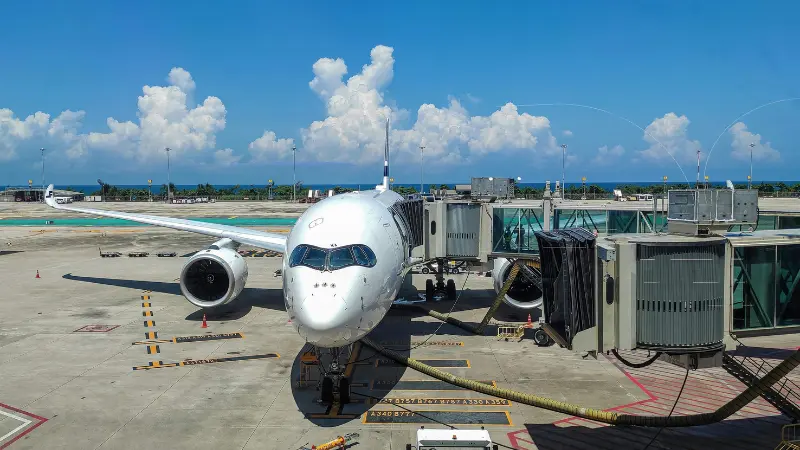
Air travel is widely regarded as one of the most reliable forms of transportation. However, when rare runway incidents occur, they can prompt renewed attention on how aviation safety systems operate in complex environments.
According to publicly available information, a runway incident at New York’s LaGuardia Airport involved a collision between an aircraft and an airport vehicle during ground operations. Authorities reported that two pilots lost their lives and others were injured. As with similar events, the incident has drawn attention from both aviation professionals and the public.
Source: https://www.ntsb.gov/
How Runway Collision Investigations Typically Begin
Investigations into aviation incidents in the United States are typically led by the National Transportation Safety Board (NTSB), with coordination from agencies such as the Federal Aviation Administration (FAA).
These reviews often examine a range of factors, including:
- Communications between pilots and air traffic control
- Aircraft positioning and movement
- Ground vehicle activity on or near runways
- Environmental conditions, such as visibility and weather
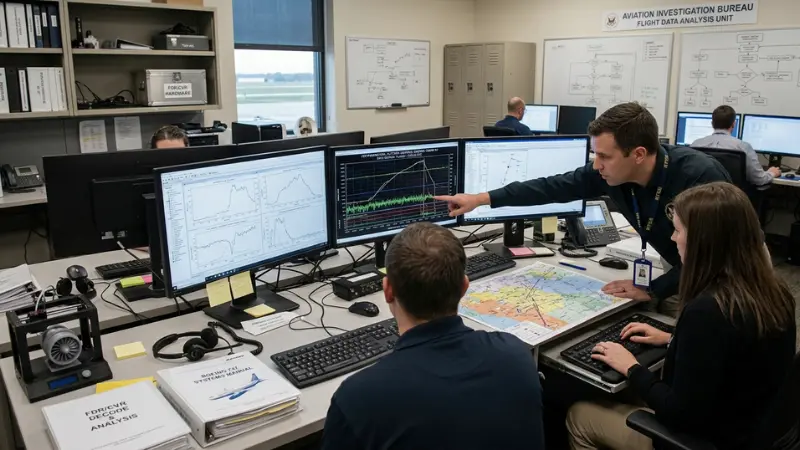
Flight data recorders and cockpit voice recorders are commonly used to help reconstruct events. According to the NTSB, these tools are designed to provide objective operational data as part of a broader investigative process.
Source: https://www.ntsb.gov/investigations/process/Pages/default.aspx
Rather than focusing on a single factor early on, investigators generally review how multiple elements may have interacted within a short timeframe.
System Complexity at High-Traffic Airports
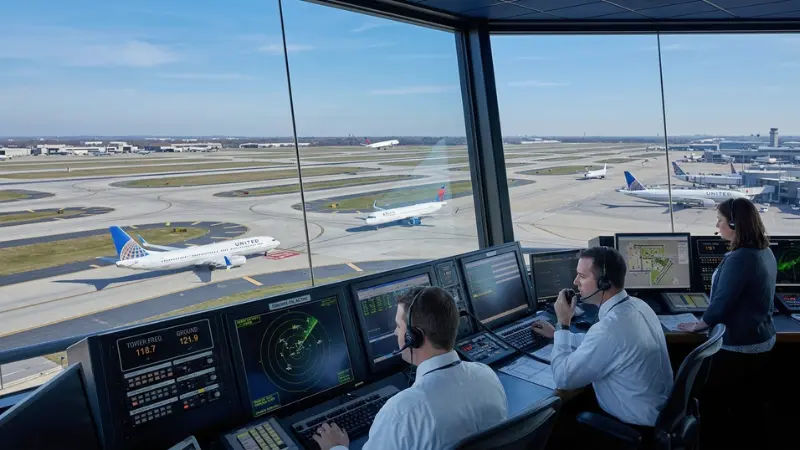
Airports like LaGuardia operate within highly coordinated systems involving multiple participants, including pilots, air traffic controllers, and ground personnel.
The Federal Aviation Administration has identified runway incursions, defined as the presence of unauthorized aircraft, vehicles, or individuals on a runway, as an ongoing area of safety focus. These situations are studied to better understand how coordination and communication function in active environments.
Source: https://www.faa.gov/airports/runway_safety
Even with established procedures, airport operations depend on precise timing and alignment across different roles. Reviews of incidents often consider how these systems function collectively under operational demands.
Broader Safety Considerations in Aviation
Following aviation incidents, discussions often extend beyond the specific event to broader safety considerations. These may include:
- Communication systems and coordination protocols
- Training practices and operational procedures
- The interaction between human factors and technical systems
Organizations such as the International Civil Aviation Organization (ICAO) emphasize layered safety frameworks designed to reduce the likelihood of a single point of failure leading to an incident.
Source: https://www.icao.int/safety
These frameworks are continually evaluated and refined based on findings from past investigations.
Public Attention and Ongoing Review Processes
Aviation incidents are typically reviewed through structured processes involving federal agencies, airport authorities, and, in some cases, international organizations.
The purpose of these reviews is to better understand contributing factors and to inform future safety measures. Findings may contribute to updates in procedures, training approaches, or communication systems within the aviation industry.
While such incidents are uncommon, they often receive significant public attention due to the complexity of aviation systems and the expectations surrounding operational reliability.
Source: https://injuryfacts.nsc.org/home-and-community/safety-topics/airplane-crashes/
Closing Perspective
The reported LaGuardia Airport collision highlights the importance of ongoing evaluation within complex transportation systems. Investigations into these events generally focus on understanding how multiple factors interact, rather than reaching immediate conclusions.
At William Schwitzer & Associates, we represent individuals and families affected by serious incidents, providing support as they navigate the legal process following unexpected events.
Important:
This information is only a general guide and is NOT LEGAL ADVICE. Each case is different. The best option is to call our offices for specialized help, call (212) 683-3800 and contact William Schwitzer & Associates for legal assistance.
The images shown in this blog are for illustrative purposes only.