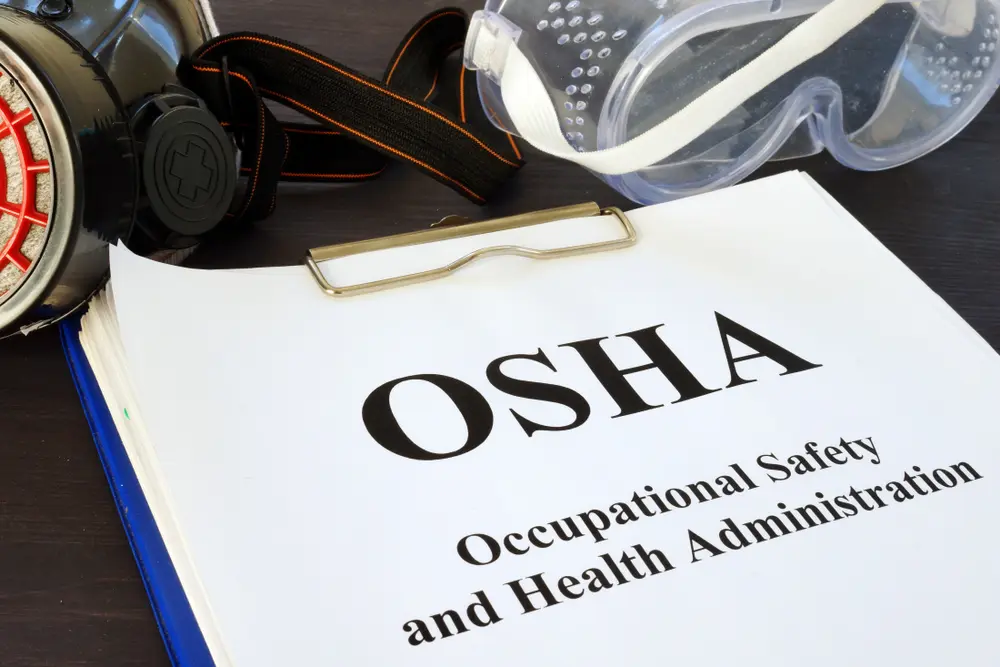
Construction is a booming industry in New York City, but it isn’t always safe.
According to the Federal Bureau of Labor Statistics, while construction workers only make up 5% of the city’s workforce, they represent 27% of work-related injury fatalities. To prevent these tragedies, construction employers must follow OSHA regulations to protect workers. If you suffered an injury due to your employer’s OSHA violation, contact a construction accident lawyer in New York City.
What Is OSHA?
The Occupational Safety and Health Administration (OSHA) regulates employee safety and health in the workplace. OSHA gives employers and their employees the tools to stay safe on the clock through regulations, memos, and training.
OSHA has a set of federal standards that all employers across the United States must comply with, including several U.S. territories. The Occupational Safety and Health Act protects employees from hazardous work conditions and holds neglectful employers accountable.
In addition to federal regulations, OSHA coordinates approved state plans, giving states the authority to operate under customized regulations. OSHA encourages states to develop these plans to address state-specific issues in section 18 of the OSH Act.
New York is one of the six states with an OSHA-approved state plan covering government and state employees. The New York Public Employee Safety and Health (PESH) Bureau oversees the implementation of New York’s state plan, while OSHA monitors it. The construction industry falls within OSHA’s jurisdiction.
From 2007 to 2014, there was an average of 20 construction worker deaths in New York City per year. Construction employers and employees must abide by OSHA regulations and avoid recognized hazards to prevent these tragedies.
Understanding General OSHA Regulations
OSHA provides general guidelines that all employers must follow regardless of industry. Construction sites must abide by these regulations, as they are accident-prone workplaces.
OSHA places the responsibility of a safe workplace on employers, requiring them to actively reduce or eliminate hazards in the workplace. OSHA asks employers to make changes to work conditions to achieve this rather than relying on personal protective equipment (PPE) to keep employees safe.
Employer Obligations According to OSHA
If you’re asking, “What are the OSHA regulations?” the answer begins with employer obligations. Employers must display OSHA’s official Job Safety and Health – It’s the Law poster where it’s easily accessible to employees. This poster details employees’ basic rights and employers’ obligations. It is available for free on the OSHA website.
When there are chemical hazards on construction sites, such as mercury, PVC, lead, and flame retardants, employers must inform workers of these hazards using color-coding systems, labels, and chemical information sheets. Additionally, they must provide safety training to all employees in a language they can understand.
OSHA standards require employees to perform regular tests, such as air sampling, in the workplace. They must also provide tests for employees, such as hearing tests, for free. When there is an accident or injury in the workplace, employers must keep a record of it.
Employee Rights According to OSHA
Construction employees must understand their rights under OSHA to hold their employers accountable. OSHA explicitly prohibits employers from retaliating when employees make a complaint or recognize a violation of OSHA regulations. Employees may file a confidential request for their workplace to face an OSHA inspection.
Employees have the right to receive information about all workplace hazards in a language they understand. They may also receive copies of workplace test findings and medical records.
OSHA Regulations and Safety Compliance in NYC Construction
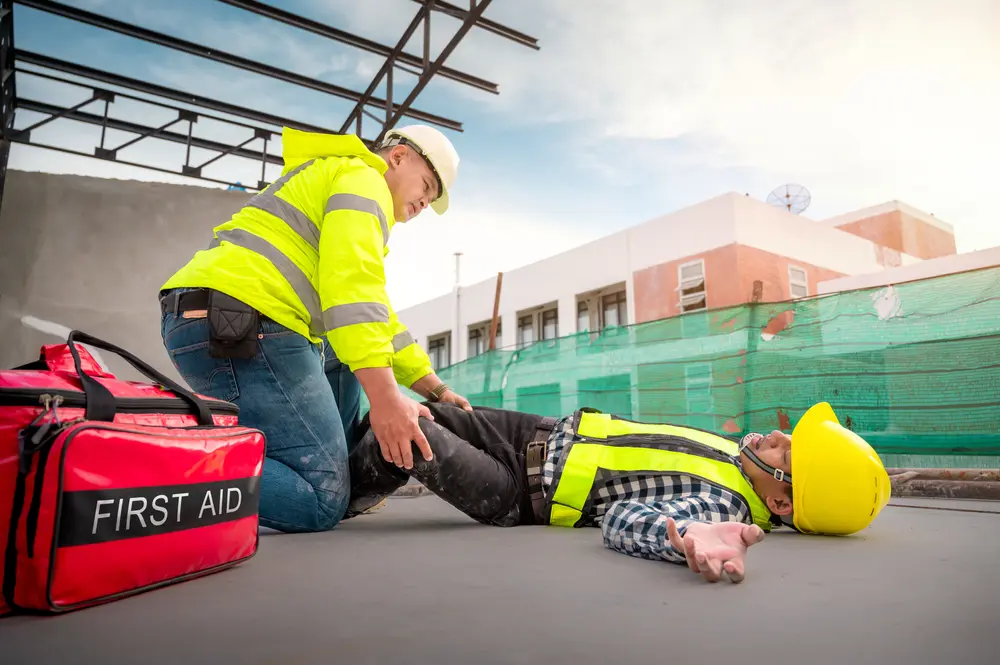
In addition to general regulations, OSHA offers industry-specific standards. Construction sites have various types of hazards, and OSHA offers accident-prevention measures for each of them.
Slip-and-Fall Accidents
Slip-and-fall accidents are extremely common on construction sites. According to NYC Vital Health, between 2007 and 2014, slip-and-fall accidents accounted for 58% of fatal construction accidents. Many of these falls were from scaffolds, while others were from ladders and roofs.
Employers must provide fall protection when construction sites require employees to work six feet or higher above ground level. Employees should also follow OSHA guidelines to prevent fall accidents.
When working on roofs, OSHA suggests that employees:
- Wear a harness and stay connected until they are back on the ground
- Inspect the harness and fall equipment before use
- Use guardrails
- Avoid defective equipment
- Avoid skylights
When working on scaffolds, OSHA suggests that employees:
- Inspect scaffold stability before use
- Avoid using ladders on the scaffold
- Use fully planked scaffolds
- Avoid climbing cross-braces
When working on ladders, OSHA suggests that employees:
- Secure the ladder
- Maintain three points of contact
- Avoid stepping on the top step of the ladder
- Avoid unlevel footing
- Avoid overreaching
Electrical Accidents
Construction workers often work with electrical systems and machines. Electrical accidents can cause burns, cardiac arrest, and respiratory arrest. To prevent these injuries, OSHA standards regulate the design and operation of electrical equipment. They require that all electrical equipment undergo testing from OSHA-approved testing organizations. OSHA also offers standards to prevent electrical accidents through insulation, grounding, and guarding.
Heavy Equipment Accidents
Construction work requires various types of heavy equipment. When employers don’t follow procedures to keep employees safe, this can lead to severe injuries and fatalities. When operating heavy machinery, OSHA standards require machine guarding, such as barrier guards and electronic safety devices, to help prevent heavy equipment accidents. OSHA also requires employers to provide necessary personal protection equipment to protect employees from heavy falling objects.
Work Zone Traffic Accidents
Working on the road presents unique workplace hazards. OSHA requires employers to follow a traffic control plan for moving vehicles as determined by federal or local authorities. Employers must ensure there are proper sand, concrete, and water barriers, as well as crash cushions. Standard highway signs, traffic control devices, and flagging are also required to ensure the safety of employees and others on the road. Employees working as flaggers must wear high-visibility clothing and participate in safety training.
OSHA Training for Construction Teams
OSHA pushes for self-advocacy for employees by giving them the tools they need to practice workplace safety and recognize hazards.
OSHA’s voluntary Outreach Training Program informs employees of their rights, workplace hazards, employer responsibilities, and how to file a complaint. Several million workers have taken advantage of this program. There is a 10-hour program for entry-level workers and a 30-hour program for workers requiring a greater depth of knowledge.
Frequently Asked Questions
Do you have more questions about OSHA? See more information below.
How Can Construction Workers Participate in OSHA’s Outreach Training Program?
Construction workers can participate in OSHA’s Outreach Training Program by taking classes online, finding an outreach trainer, or contacting their OSHA state office.
What Are OSHA’s Record-Keeping Requirements?
OSHA’s record-keeping requirements state that employers with at least ten employees in a calendar year must keep records of work-related injuries and illnesses. All employers, regardless of size, must report workplace fatalities to OSHA within 24 hours.
What Are the Most Common OSHA Construction Violations?
OSHA’s most common construction violations as of December 31, 2020, include violations of the following standards: Fall Protection – General Requirements (1926.501), Scaffolding (1926.451), Ladders (1926.1053), Fall Protection – Training (1926.503), and Eye and Face Protection (1926.102).
Advocate for Workers’ Rights With Experienced Attorneys
Understanding OSHA regulations and safety compliance is essential for NYC construction workers. If you’re a construction worker who suffered an injury due to an OSHA violation, contact the lawyers at William Schwitzer & Associates, PC, and rely on their experience with construction accident lawsuits in New York. Call 212-683-3800 for a free case evaluation.