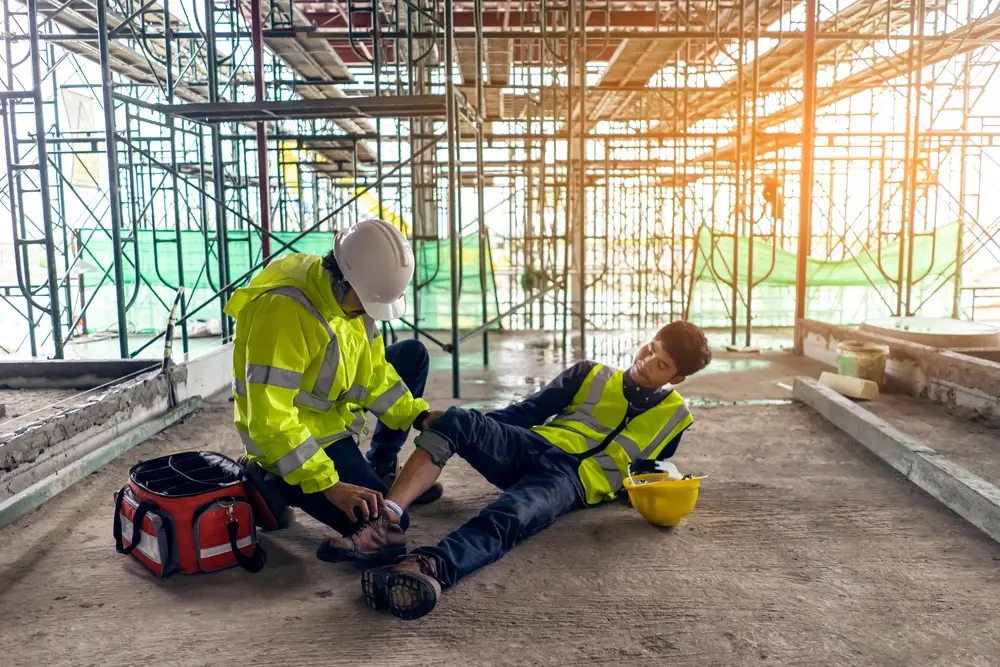
As an NYC construction worker, you have certain legal rights and protections that you should be aware of. Construction workers are at a higher risk for accidents than workers in nearly every other industry, according to the National Safety Council. Understanding how New York and federal laws apply to these accidents can help you protect your safety and identify potentially dangerous violations.
If you were injured in an accident on the job, consulting an NYC construction accident lawyer can also help you understand your next steps.
Local Construction Accident Laws for NYC Workers
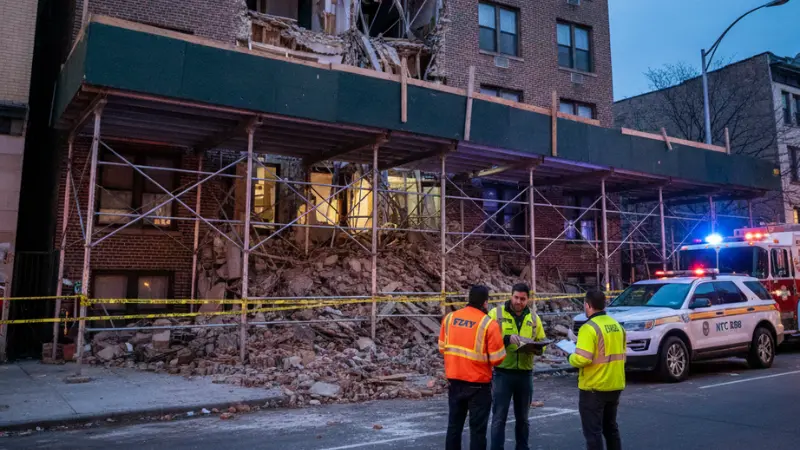
New York has several labor laws that apply to construction sites. These laws seek to improve construction worker safety and prevent accidents. When construction sites violate such laws, the owners or managers may face penalties under New York law.
These are a few New York labor laws and other relevant laws that you should know as an NYC construction worker.
Labor Law 200
New York Labor Law 200 enumerates the general duty of all employers to protect the health and safety of their employees. The law states that a worker must be given equipment, machinery, and devices that are safe to use and that the worksite itself must be organized to ensure adequate and reasonable protection, both for workers and anyone who frequently visits the site.
Labor Law 200 helps establish construction site liability for accident cases in a few key ways. First, it suggests that when an accident occurs due to a dangerous condition, the employer could be liable for the injury. It also states that when an injury occurs due to unsafe “means and methods” of work, and a contractor supervised or controlled that work, the contractor could be liable.
Labor Law 202
While not as directly applicable to construction workers, Labor Law 202 may also be helpful to understand as part of workplace safety regulations. This law aims to protect those who are cleaning windows and exterior surfaces of buildings. The building owner, manager, or other applicable party, along with every contractor involved, is responsible for providing safe means for conducting these jobs.
Similarly, the building owner or manager should not require or allow anyone to clean the windows or building exterior unless they provide the means to conduct the work in a safe manner. The worker must agree to use the safety protections provided to them during the job.
When a worker is injured while cleaning windows or building exteriors due to a safety mechanism that failed, or because of a hazard that the property owner failed to mitigate, the property owner or other responsible party may be liable for the injury.
Labor Law 240
Labor Law 240 is a crucial law for NYC construction workers to be familiar with. Also known as the “Scaffold Law,” it mandates that contractors and property owners ensure proper precautions for workers who work at high elevations, such as on a scaffold, ladder, or other tall structure. It includes some specific requirements, such as the following:
- Scaffolding or staging that is more than 20 feet high must have a safety rail that meets certain specifications.
- Construction sites must ensure that the scaffolding they use can withstand at least four times the maximum weight it will hold during use.
This law also holds property owners and general contractors strictly liable for worker injuries due to falls from heights or falling objects.
As many as 4,500 injuries and 50 deaths result from scaffold-related accidents each year. If you were injured in an accident involving scaffolding or heights, an NYC construction accident lawyer can help you understand how Labor Law 240 applies to your case.
Labor Law 241
Labor Law 241 applies to sites involving construction, excavation, or demolition work. Employers must promote adequate and reasonable protection and safety for all workers on these sites to reduce the risk of injury. For example, employers must lay two-inch-thick planking across any opening that is two stories above and one story below where workers will be working.
Local Law 196
The NYC Local Law 196 of 2017 set guidelines for completing construction site safety training. Under this law, all construction workers at sites that are required to designate a Site Safety Coordinator, Site Safety Manager, or Construction Superintendent must complete 40 hours of training. Supervisors on these sites must complete 62 hours of training.
This law also mandates that certain construction sites designate a Construction Superintendent, Site Safety Manager, or Site Safety Coordinator who is responsible for overseeing the safety of the site.
Industrial Code Part 23
The New York Department of Labor’s Industrial Code also includes provisions for construction workers. Part 23 of this code is similar to Labor Law 241 in that it applies to construction, demolition, and excavation operations. This code includes laws surrounding a wide range of construction equipment and processes, such as:
- Hand tools
- Guard railings
- Demolition by hand
- Personal hoists
- Scaffolding
- Explosives
- Cranes
National Labor Laws That Protect Construction Workers

Laws at the federal level also apply to construction workers in New York. An NYC construction accident lawyer can help you understand how these laws apply to your specific accident case.
Occupational Safety and Health Administration Guidelines
Construction sites must follow national guidelines under the Occupational Safety and Health Administration (OSHA). OSHA regulations pertain to everything from safety training to occupational noise exposure. These guidelines are in place to prevent accidents and keep workers safe on hazardous job sites, such as construction sites.
When a worksite violates OSHA standards, the agency issues citations for violations, which can include fines, work stoppages, and even criminal charges. When an OSHA violation leads to injuries, the worker should consult an NYC construction injury attorney about their legal options for seeking personal injury compensation.
Fair Labor Standards Act
The Fair Labor Standards Act (FLSA) applies to construction businesses with at least two employees and an annual gross sales volume of at least $500,000. This act requires employers to comply with certain recordkeeping requirements, establish a workweek, and pay overtime for hours that exceed 40 in the work week.
Construction workers are often asked to work overtime. Ensuring an employer’s compliance under the FLSA can ensure that overtime work is properly accounted for, protecting workers and preventing fatigue that could lead to injuries.
Workers’ Compensation Laws To Understand After Accidents
Construction workers should also understand New York laws surrounding workers’ compensation. This is their main method of seeking reimbursement for losses related to on-the-job injuries.
The majority of New York employers are required to carry workers’ compensation coverage. The main exceptions pertain to businesses with fewer than three shareholders or corporate officers.
Workers’ compensation covers medical care and a portion of lost wages for job-related injuries and illnesses. For permanent disabilities, it can also provide an ongoing disability benefit.
Workers’ comp is a no-fault system, which means that accepting these benefits bars a worker from holding their employer directly liable for injuries or damages.
Workers’ Comp for Independent Contractors
New York’s Construction Industry Fair Play Act states that any person injured while performing services for a contractor would be considered an employee of that contractor for workers’ compensation purposes. A person in the construction industry who works for an employer would only be considered an independent contractor if all three of these criteria are true:
- The person is free from direction and control while performing their job
- The person is providing services outside of the normal course of business for that employer
- The person is participating in an independently established business, occupation, or trade similar to the service they perform
This law seeks to prevent employers from unlawfully classifying construction workers as independent contractors and forgoing workers’ compensation benefits.
Consult Our New York Construction Accident Lawyers Today
Many local and federal laws apply to construction workers, and fully understanding this legislation, along with how it applies to your job, is a sizable task. If you were injured on the job or suspect your employer may be violating applicable laws, a construction accident attorney can help you understand how to proceed.
William Schwitzer & Associates, PC, provides legal guidance and representation for NYC construction workers. Whether you need help proving negligence in a construction accident or simply understanding your rights under New York law, our team is here for you.
Request a free case evaluation with our NYC construction accident lawyers today by calling 212-683-3800.
Frequently Asked Questions
How many construction accidents happen in NYC each year?
As many as 600 to 800 construction accidents happen in NYC each year, according to the New York City Construction Safety Report.
What should a construction worker do if their employer violates labor laws?
If you believe your employer violated labor laws, reach out to our NYC construction accident lawyers to discuss your legal options.
How much can a construction worker gain through workers’ compensation?
A workers’ compensation claim would generally reimburse you for your medical expenses and two-thirds of your average wages due to missed work.