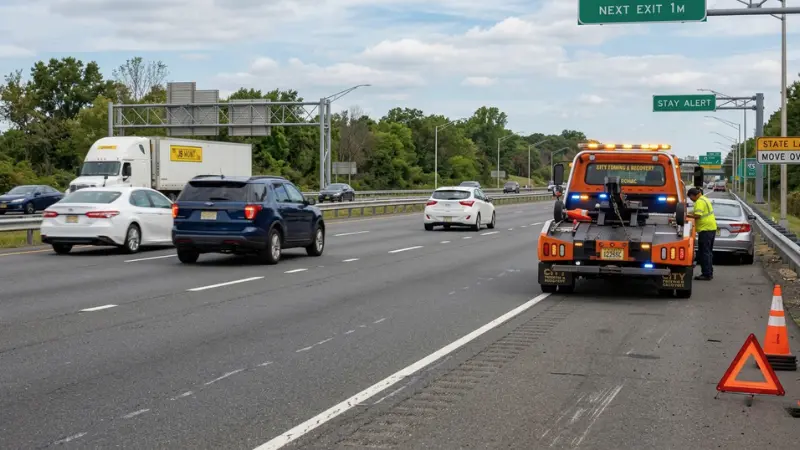
Have you ever passed flashing lights on the side of the road and wondered how drivers typically respond?
Across the United States, Move Over law awareness campaigns continue to expand as roadway safety remains an ongoing public concern. These initiatives, supported by national and state organizations, focus on increasing awareness of laws intended to create space for stopped emergency, utility, and service vehicles. Although such laws exist nationwide, public familiarity and consistent driver behavior appear to vary.
Public Awareness and Campaign Messaging
Move Over law awareness campaigns aim to improve recognition of roadside safety practices that may not be widely understood. According to publicly available data from the National Highway Traffic Safety Administration, surveys have suggested that a significant portion of drivers are not fully familiar with these laws, even though many express general support when informed. Additional information about these efforts can be found on the the National Highway Traffic Safety Administration Move Over page:
https://www.nhtsa.gov/move-over-its-law
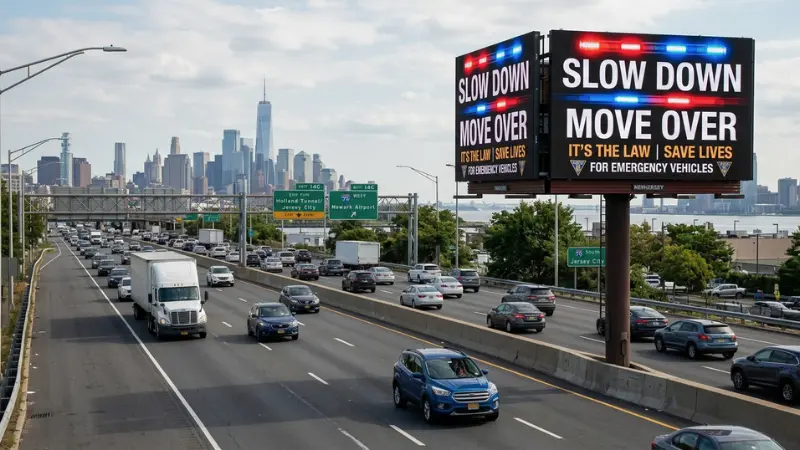
Campaign messaging often emphasizes simple, repeatable phrases such as “Move Over” or “Slow Down, Move Over.” These messages appear in public service announcements, digital outreach, and roadway signage. Materials provided through platforms like Traffic Safety Marketing help agencies maintain consistency:
https://www.trafficsafetymarketing.gov/
The focus of these campaigns is on visibility and awareness, though public data indicates that awareness alone does not always translate into consistent driving behavior.
Reported Compliance Trends
Available research continues to highlight gaps between awareness and reported driver actions. For example, studies from the AAA Foundation for Traffic Safety indicate that a portion of drivers may not consistently slow down or change lanes when approaching stopped vehicles with flashing lights:
https://aaafoundation.org/
These findings are often referenced in awareness campaigns to illustrate ongoing concerns about roadside environments. Individuals working near active roadways, including emergency responders and tow operators, are frequently mentioned in discussions about roadway exposure and risk. Additional context on roadside risks is available through the National Safety Council:
https://injuryfacts.nsc.org/
Campaigns sometimes incorporate aggregated statistics to provide context, focusing on general trends rather than specific incidents.
Variations in State Laws
While all U.S. states have enacted some form of Move Over law, the specific requirements and penalties can differ. The Federal Highway Administration provides an overview of roadway safety expectations and legal frameworks:
https://ops.fhwa.dot.gov/publications/publications.htm
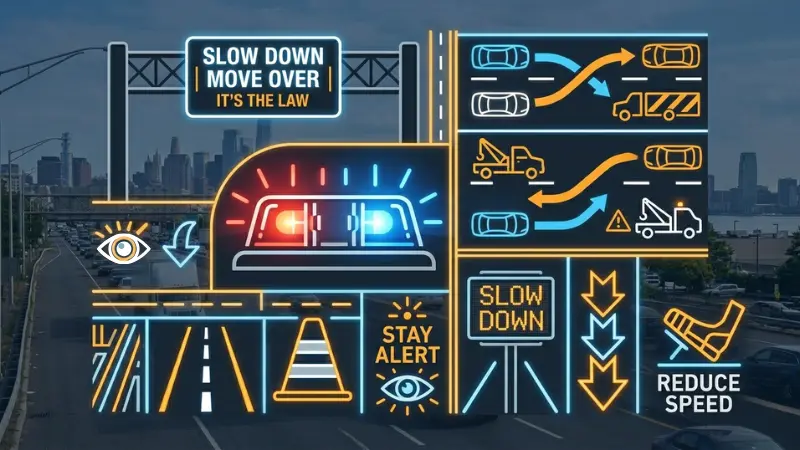
Most laws share a common principle: drivers are expected to create distance from stopped roadside vehicles when it is possible to do so safely.
Because legal details vary, awareness campaigns often emphasize broad concepts rather than jurisdiction-specific language. This approach helps address potential confusion, particularly for drivers traveling between states.
Evolving Outreach Strategies
Modern Move Over law awareness campaigns use a combination of traditional and digital communication methods. Public service announcements remain common, while social media and targeted outreach have become more prominent in recent years.
Some public health organizations, including the Centers for Disease Control and Prevention, include transportation safety within broader public health discussions:
https://www.cdc.gov/transportationsafety/
Educational materials generally prioritize clarity and repetition, helping reinforce recognition of roadside situations without relying on technical explanations.
Continued Focus on Roadway Awareness
The expansion of Move Over law awareness campaigns reflects sustained attention to roadside safety conditions. Publicly available reports often examine factors such as driver behavior, roadway design, and visibility when analyzing roadway incidents.
Insights from these reviews may inform how future campaigns are structured, including where messaging is focused and how information is presented. As additional data becomes available, campaign strategies continue to evolve.
Ongoing Public Discussion
Move Over law awareness campaigns remain part of a broader national conversation about roadway conditions and driver awareness. While familiarity with these laws may increase over time, public data suggests that consistent messaging continues to play a role in shaping driver behavior.
William Schwitzer & Associates represents individuals involved in roadway-related incidents. The firm’s role is to advocate for those affected, while public awareness campaigns and safety organizations continue to contribute to broader discussions about roadway conditions.
Important:
This information is only a general guide and is NOT LEGAL ADVICE. Each case is different. The best option is to call our offices for specialized help, call (212) 683-3800, and contact William Schwitzer & Associates for legal assistance.
The images shown in this blog are for illustrative purposes only.