
A Closer Look at the Manhattan Crane Accident Back in 2023
The Manhattan crane accident that shook New York City’s west side in 2023 continues to shape safety policy in 2025. The report published by ENR about how a crane fire led to new safety rules to be applied in 2025.
According to the New York City Department of Buildings (DOB), a disconnected hydraulic hose likely sprayed flammable oil onto a hot surface, igniting a blaze that compromised the tower crane’s luffing system.
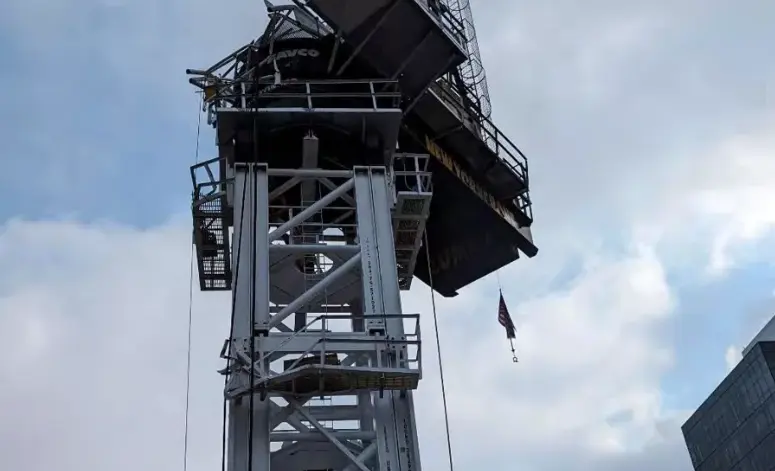
The crane’s boom then crashed nearly 500 feet to the ground at a construction site on 10th Avenue, injuring workers and damaging a neighboring building.
While no lives were lost, the investigation’s findings are changing how diesel tower cranes operate citywide. The comprehensive 968-page DOB report, released in partnership with the Department of Investigation and Gilsanz Murray Steficek (GMS) engineers, calls for stricter inspection, fire-suppression, and oversight measures to prevent another Manhattan crane accident.
What Went Wrong
The report concluded that crews were operating a Favelle Favco diesel-powered crane when a hydraulic hose detached from its crimp fitting. Oil from the hose ignited upon contact with a hot surface, quickly spreading a fire that reached estimated temperatures of 900 °C inside the engine compartment.
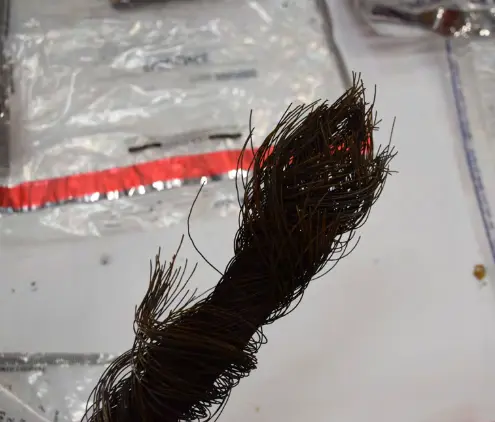
The crane operator attempted to extinguish the flames but was forced to descend the tower. The the fire ultimately destroyed a load-bearing rope, sending the crane’s 165-foot boom onto 10th Avenue.
Officials said swift action by the general contractor, Monadnock Construction, which shut down nearby streets, likely prevented casualties.
New Safety Rules for Diesel Tower Cranes
In response to the Manhattan crane accident, DOB has mandated what were previously voluntary manufacturer recommendations.
All diesel-powered tower cranes in New York City must now include:
-
Fire suppression and detection systems in engine compartments
-
Enhanced daily inspection logs
-
Certified lift directors with new registration and experience thresholds
-
Mandatory licensing for operators of smaller hoisting equipment rated over 2,000 lb
DOB Commissioner Jimmy Oddo called the collapse a “nightmare scenario” that underscored the need for “proactive prevention, not reaction.”
Legal and Industry Impact
The Manhattan crane accident also led to violations for Monadnock Construction and Cross Country Construction for site safety lapses. While some were dismissed or corrected, the incident prompted regulators to expand crane operation rules and enhance accountability across New York’s construction industry.
In addition, the DOB’s reforms align with lessons from similar incidents abroad, including Sydney (2012) and Melbourne (2016), where comparable Favelle Favco cranes experienced hydraulic failures and fires.
The National Institute for Occupational Safety and Health (NIOSH) continues to emphasize the importance of proactive hazard identification, maintenance, and employee training in preventing industrial accidents.
Safety and Prevention: Lessons Learned
The DOB report emphasizes that every Manhattan crane accident is preventable when employers enforce rigorous inspection, maintenance, and training standards.
For New York’s construction workers, these findings reaffirm the importance of strong safety regulations and consistent oversight at every level of operation.
Workers and their families affected by unsafe job conditions have the right to seek representation and accountability.
WSAT Law: Advocating for Injured Construction Workers
At William Schwitzer & Associates, we continue to advocate for construction workers injured by negligence, unsafe equipment, or employer violations.
If you or someone you know was injured in a construction-related accident, call (212) 683-3800 for a confidential consultation.
Important:
This information is only a general guide and is NOT LEGAL ADVICE. Each case is different.
Images used are conceptual illustrations and do not depict actual events or clients.
The best option is to call our offices for specialized help. Call (212) 683-3800 to contact William Schwitzer & Associates for legal assistance.