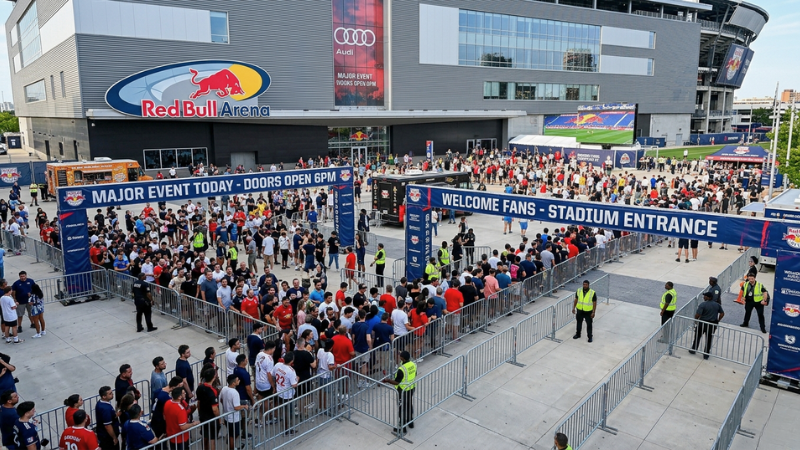
Major international events often draw significant public attendance, transforming everyday environments into high-density gathering spaces. During the 2026 FIFA World Cup, large crowds are expected across stadiums, public viewing areas, and surrounding city locations.
As attendance increases, public spaces may function differently than under normal conditions. This shift can influence how incidents occurring in these environments are later examined.
Large Crowds Expected During the 2026 FIFA World Cup
The 2026 FIFA World Cup is anticipated to be one of the largest international sporting events hosted across North America. Matches and related activities are scheduled in major metropolitan areas, including locations near New York, where public activity is expected to rise.
According to the U.S. Department of Transportation, large-scale events can influence pedestrian movement, traffic patterns, and overall transportation systems. These changes are often most visible in areas surrounding venues and transit access points.
Source: https://www.transportation.gov/
Public activity during such events may extend into:
- Sidewalks and crosswalks
- Transit stations and platforms
- Restaurants, bars, and gathering areas
- Designated fan zones or temporary event spaces
Information from the National Safety Council indicates that higher population density in shared spaces can be associated with an increased likelihood of incidents involving movement and surface conditions.
Source: https://www.nsc.org/
How Injury Incidents in Public Spaces Are Reviewed
When an incident occurs in a crowded public environment, it is typically reviewed by considering how the the space was structured and managed at the time.
These evaluations may include:
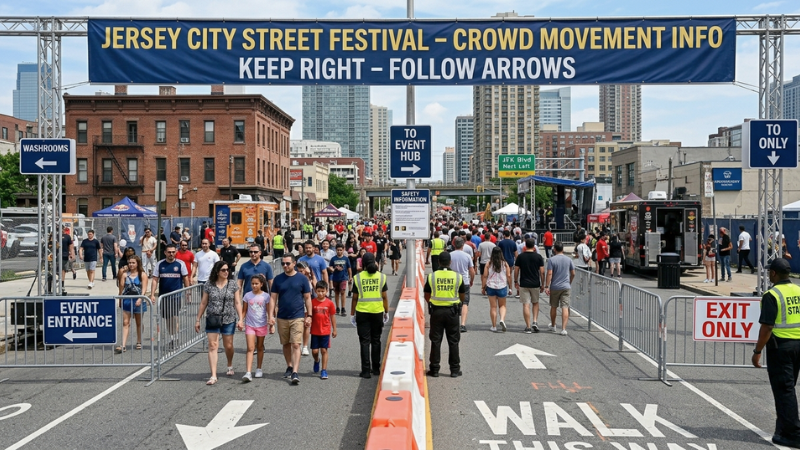
- Crowd flow and spatial layout
- Placement of barriers, signage, and entry points
- Lighting and visibility conditions
- Maintenance of walking surfaces
The Centers for Disease Control and Prevention has noted that environments with sustained foot traffic often require ongoing monitoring to identify potential hazards.
Source: https://www.cdc.gov/
Rather than focusing on a single factor, reviews generally consider how multiple conditions may have interacted, including congestion levels, environmental design, and timing.
Public Events and Coordinated Planning
Large-scale events typically involve coordination between public agencies, private operators, and event organizers.
Guidance from the Federal Emergency Management Agency describes how planning for high-attendance events may include considerations related to crowd movement, infrastructure, and emergency response coordination.
Source: https://www.fema.gov/
These planning efforts can involve:
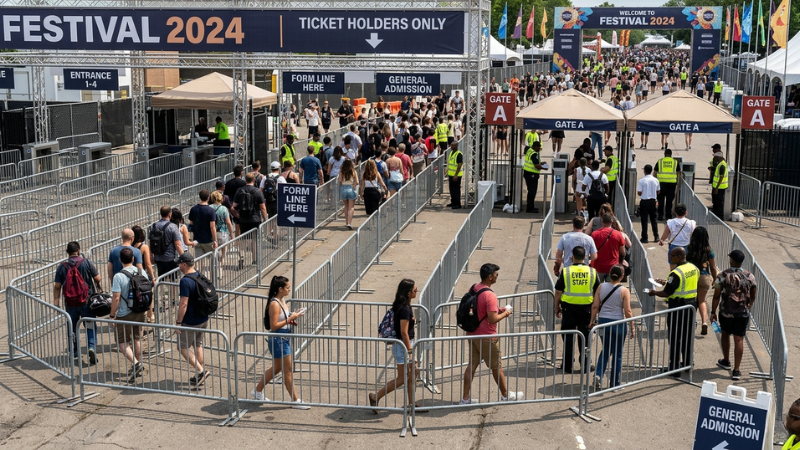
- Managing entry and exit patterns
- Monitoring crowd density
- Coordinating with transportation systems
- Overseeing temporary structures and layouts
Even with planning measures in place, changing conditions in crowded environments can still contribute to incidents that are later reviewed.
Why These Incidents Receive Additional Attention
Incidents occurring during widely attended events often receive increased public attention due to the scale of the gathering and the number of individuals present.
The National Institute for Occupational Safety and Health has identified that environments involving both workers and the public may present overlapping considerations, particularly when multiple roles and responsibilities exist within the same space.
From a legal perspective, these situations are generally evaluated based on factors such as environmental conditions, maintenance practices, and how the space operated during peak activity.
Each case is unique, and reviews typically focus on the specific circumstances involved rather than broad assumptions.
A Broader Look at Public Spaces During Major Events
While the 2026 FIFA World Cup is a temporary event, the conditions it creates reflect patterns seen in other large gatherings, including concerts, parades, and city-wide celebrations.
Public spaces can shift significantly as attendance increases. Areas that typically function in predictable ways may experience different movement patterns, congestion levels, and usage during high-attendance periods.
At William Schwitzer & Associates, these types of incidents are viewed within the broader context of how public environments operate and how individuals may be affected when those conditions change.
Conclusion
Large Crowds Expected During the 2026 FIFA World Cup highlights how public environments adapt during major events and how incidents in those settings are examined. These situations are often reviewed by considering a range of factors related to crowd conditions, space design, and environmental context.
As large-scale events continue to take place, public spaces remain dynamic environments shaped by attendance, infrastructure, and ongoing coordination efforts.
Legal Disclaimer
Important:
This information is only a general guide and is NOT LEGAL ADVICE. Each case is different. The best option is to call our offices for specialized help, call (212) 683-3800 and contact William Schwitzer & Associates for legal assistance.
The images shown in this blog are for illustrative purposes only.