A fatal construction accident involving heavy equipment can prompt detailed reviews of worksite conditions and operational factors.
Incidents involving large machinery, such as lifts or cranes, are often initially reported based on early statements from authorities. In a recent case in the Northeast, a worker was reported to have died after heavy equipment became unstable at a construction site. The situation remains under review, and like similar events, attention has shifted toward how such incidents are examined.
How These Incidents Are Typically Reviewed
When a fatal construction accident involving heavy equipment occurs, multiple agencies are often involved in reviewing the the circumstances. The Occupational Safety and Health Administration commonly examines workplace conditions, safety protocols, and equipment usage.
These reviews may consider whether machinery was operated within intended limits, how ground conditions may have affected stability, and how equipment was positioned. Data tracked by the Bureau of Labor Statistics is often used to understand broader patterns in workplace incidents across the construction industry.
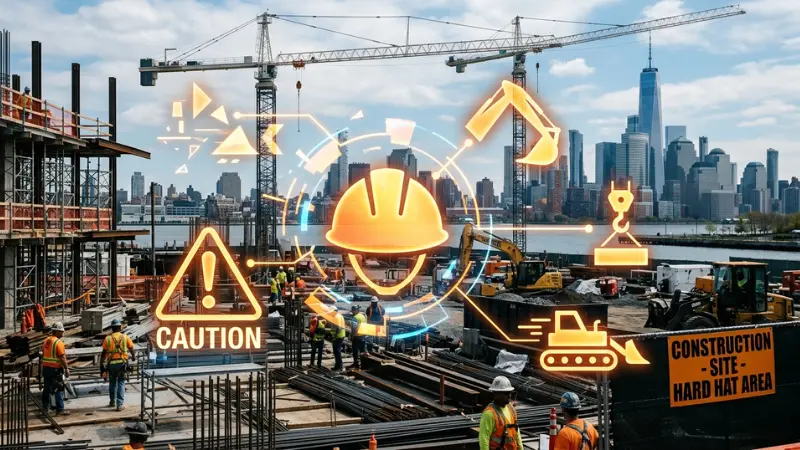
Equipment Stability and Worksite Conditions
A central focus in these situations is the setup and condition of the machinery involved. Equipment such as aerial lifts and boom platforms typically requires stable surfaces and appropriate positioning.
Reviews may include factors such as:
- Equipment setup and support conditions
- Environmental influences on stability
- Functionality of safety systems
Guidance from the National Institute for Occupational Safety and Health highlights the role of equipment positioning and hazard awareness in reducing risks associated with heavy machinery.
These elements are generally considered alongside broader jobsite conditions, including coordination between teams and overall site management.
Legal and Workplace Context
In many cases, a construction accident involving heavy equipment may also be reviewed within a legal framework. These situations can involve multiple parties, including contractors, subcontractors, and equipment operators.
Rather than focusing on a single factor, reviews typically consider a range of elements such as equipment maintenance, training practices, and site coordination. In complex work environments, responsibility may be shared across different entities.
Broader Workplace Safety Considerations
When a worker is killed during job-related activity, the situation is often considered within the broader context of workplace safety standards. The Centers for Disease Control and Prevention has published information emphasizing the role of hazard awareness and safety programs in reducing workplace risks.
Reviews may examine whether safety procedures were clearly communicated and followed, along with documentation, inspections, and other site records.
New York Context and Urban Considerations
Although incidents may occur outside New York, similar considerations can apply in dense urban environments. Construction activity in high-traffic areas may also involve additional factors such as proximity to pedestrians and roadway exposure.
Resources from the New York City Department of Buildings outline expectations for construction safety, particularly in areas with significant public interaction.
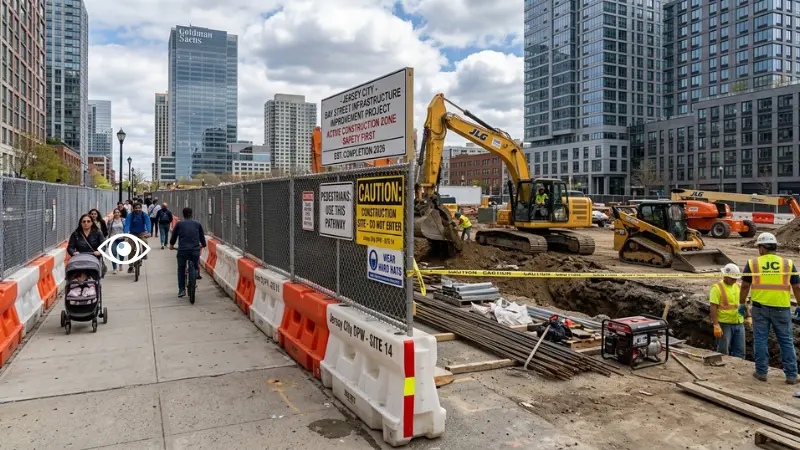
A Broader Perspective
A fatal construction accident involving heavy equipment highlights the complexity of worksite conditions and the importance of ongoing review processes. These situations often involve multiple contributing factors rather than a single cause.
William Schwitzer & Associates represents individuals affected by construction-related incidents. The firm focuses on advocacy for those impacted while such matters continue to be reviewed through safety and legal frameworks.
Important:
This information is only a general guide and is NOT LEGAL ADVICE. Each case is different. The best option is to call our offices for specialized help, call (212) 683-3800, and contact William Schwitzer & Associates for legal assistance.
The images shown in this blog are for illustrative purposes only.