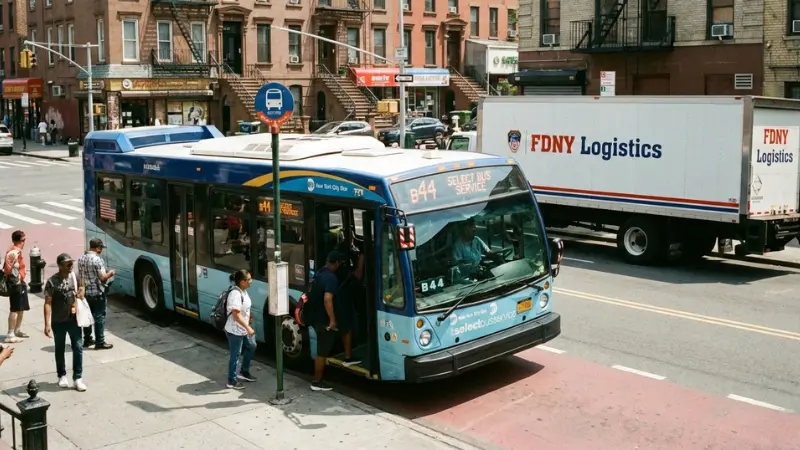
A B36 bus crash in Coney Island resulted in five reported injuries, according to publicly available information from local media outlets citing officials. Reports indicate the collision involved a public transit bus and a commercial truck in Brooklyn. Authorities stated that several individuals were transported for medical evaluation and that injuries were described as minor.
Local coverage referenced statements from officials in the Coney Island area confirming that five people were taken to a hospital following the incident. Early reports focused primarily on injuries and vehicle damage.
How Transit and Commercial Vehicle Collisions Are Reviewed
Incidents involving public transit buses and commercial trucks are typically subject to structured review processes. These matters may involve coordination among transit authorities, insurance representatives, and regulatory agencies.
When a Metropolitan Transportation Authority (MTA) bus is involved in a collision, the transit agency generally conducts an internal safety review in accordance with its established procedures. Such reviews often examine factors such as vehicle condition, operator protocols, roadway environment, and other documented circumstances.
Commercial trucking operations are also subject to regulatory oversight. The Federal Motor Carrier Safety Administration (FMCSA) monitors commercial vehicle safety standards nationwide, including operational compliance frameworks and safety data reporting.
https://www.fmcsa.dot.gov/safety
In collisions involving large vehicles, review processes may include examination of:
-
Driver qualifications and training records
-
Vehicle inspection and maintenance documentation
-
Hours-of-service logs for commercial operators
-
Roadway configuration and traffic controls
-
Environmental and visibility conditions at the time of the incident
According to data published by the National Highway Traffic Safety Administration (NHTSA), large trucks were involved in 5,837 fatal crashes nationwide in 2022, reflecting a 1.8% increase from the prior year. While the reported injuries in the Coney Island crash were described as minor, national data underscores the broader safety considerations associated with large commercial vehicles.
https://www.nhtsa.gov/press-releases/2022-traffic-crash-data-fatalities
Why Transit-Related Incidents Receive Broader Attention
Public transportation systems operate at significant scale. The American Public Transportation Association reports that public transit systems account for billions of passenger trips annually across the United States.
https://www.apta.com/research-technical-resources/transit-statistics/
Because of this scope, collisions involving transit vehicles may prompt operational review beyond the immediate damage assessment.
Agencies such as the New York City Department of Transportation track traffic patterns, injury data, and roadway design trends as part of ongoing citywide safety monitoring.
https://www.nyc.gov/html/dot/html/about/datafeeds.shtml
In the early stages of an investigation, reviews generally focus on documentation and factual analysis rather than conclusions about fault.
Documentation and Multi-Party Review
When injuries are reported in a transit or commercial vehicle collision, medical records may become part of the overall documentation process. Insurance carriers associated with both public transit entities and commercial trucking companies commonly conduct independent evaluations.
Large-vehicle collisions can involve multiple layers of review due to vehicle size, regulatory requirements, and operational standards. These processes are designed to document circumstances and assess compliance with applicable transportation regulations.
Broader Context in Dense Urban Traffic Areas
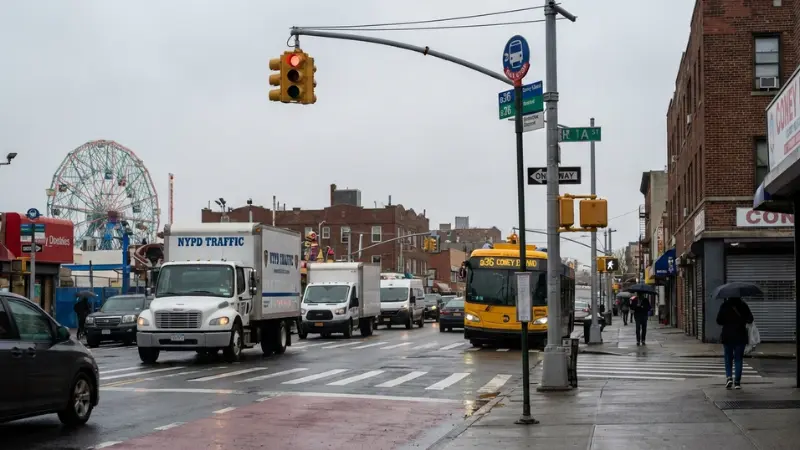
New York City’s traffic environment includes public buses, delivery vehicles, construction equipment, and private passenger cars operating within close proximity. Neighborhoods such as Coney Island may experience fluctuating traffic volumes due to seasonal activity and tourism.
The B36 bus crash in Coney Island illustrates how public transit systems and commercial vehicle operations intersect within complex urban traffic settings. Publicly reported information indicates that injuries in this incident were described as minor, and review processes typically proceed through established administrative and regulatory channels.
William Schwitzer & Associates represents individuals injured in commercial vehicle and public transit collisions throughout New York City. The firm’s role is to advocate on behalf of those affected by serious transportation incidents.
Important:
This information is only a general guide and is NOT LEGAL ADVICE. Each case is different. For specialized help, call our offices at (212) 683-3800 and contact William Schwitzer & Associates for legal assistance.
The images shown in this blog are for illustrative purposes only.