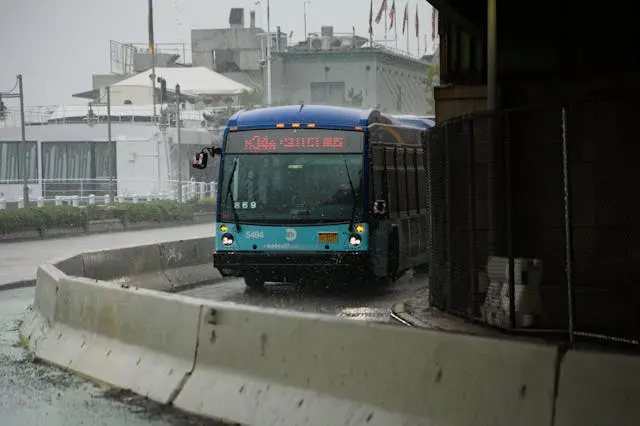
A Manhattan Bridge bus crash left multiple people injured, raising renewed attention around how these incidents are examined across New York City.
Incidents involving public transportation often draw immediate concern. According to reporting by local outlets, around 16 individuals were injured after a collision between a bus and a passenger vehicle on the the lower level of the Manhattan Bridge. Emergency crews responded, and the situation is now under review by city authorities.
While the event itself is still being assessed, cases involving a Manhattan Bridge bus crash are typically shaped by detailed legal and safety reviews that extend far beyond the initial response.
How a Manhattan Bridge Bus Crash Is Typically Investigated
When a Manhattan Bridge bus crash occurs, multiple agencies may become involved in reviewing what happened. These investigations generally focus on identifying contributing factors and understanding whether safety protocols were followed.
In New York City, incidents like this are often reviewed by agencies such as the New York City Fire Department and the New York City Department of Transportation. Their role may include documenting the scene, reviewing roadway conditions, and collecting early reports.
At a broader level, transportation-related incidents are also shaped by federal safety standards. The Federal Motor Carrier Safety Administration outlines regulations for commercial drivers, including licensing and operational expectations. These frameworks often become part of how cases are reviewed.
According to the National Highway Traffic Safety Administration, large vehicle crashes can involve multiple variables, including driver behavior, vehicle condition, and roadway design.
Additional information is available from the National Highway Traffic Safety Administration https://www.nhtsa.gov/road-safety
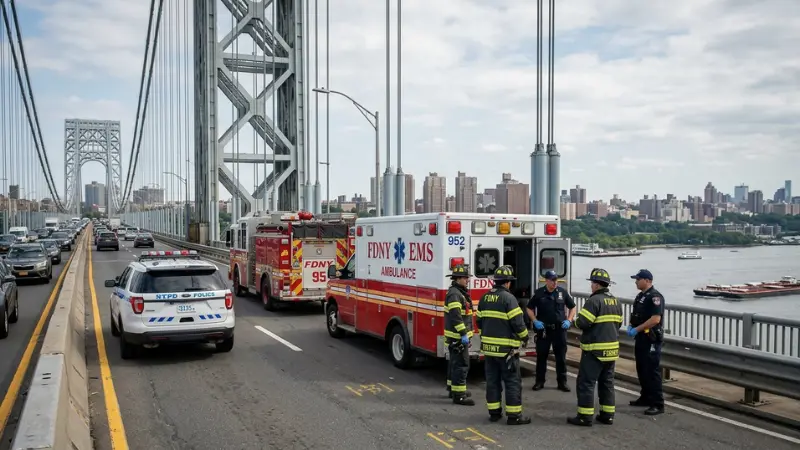
Factors Often Examined After Bus Collisions
Investigations into a Manhattan Bridge bus crash typically focus on several key areas. These are commonly reviewed factors that may be considered as part of broader evaluations.
Driver-related factors
Bus operators are required to hold commercial licenses and follow strict safety expectations. Reviews may look at driver alertness, training records, and compliance with operating procedures. The Federal Motor Carrier Safety Administration provides guidance on driver qualifications and hours of service.
https://www.fmcsa.dot.gov/regulations
Vehicle condition and maintenance
Public buses undergo routine inspections. Investigators often review maintenance records to determine whether mechanical issues played a role. The Federal Transit Administration outlines safety oversight for transit systems.
https://www.transit.dot.gov/regulations-and-guidance/safety
Roadway and traffic conditions
Bridges like the Manhattan Bridge present unique traffic patterns. Lane configurations, congestion, and visibility are commonly evaluated. The New York City Department of Transportation provides data on roadway design and safety initiatives.
https://www.nyc.gov/html/dot/html/infrastructure/infrastructure.shtml
Injury patterns and emergency response
Emergency response timelines and reported injuries are also part of the review process. According to the Centers for Disease Control and Prevention, transportation-related injuries remain a significant public health concern in the United States.
https://www.cdc.gov/transportationsafety
Public Transportation and Injury Risks in NYC
A Manhattan Bridge bus crash highlights broader concerns about transportation safety in densely populated areas. New York City’s transit network carries millions of passengers each day, making safety oversight a critical public issue.
Data from the Bureau of Transportation Statistics shows that large vehicle crashes often result in higher injury counts due to passenger volume.
https://www.bts.gov
Because of this, incidents involving buses are often reviewed with a focus on both individual circumstances and system-wide safety practices.
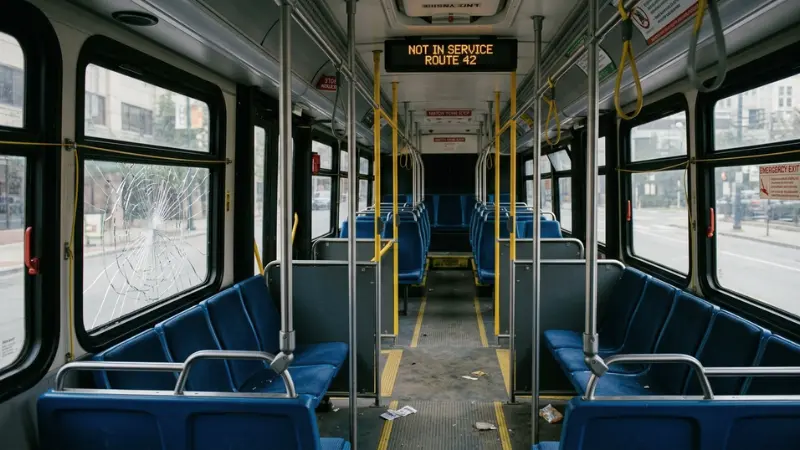
Legal Context Behind Bus Accident Cases
Following a Manhattan Bridge bus crash, legal reviews often examine questions related to responsibility and liability. These reviews are shaped by evidence collected during investigations and may involve multiple parties.
Cases involving public buses can include considerations such as:
- Operational policies of transit authorities
- Driver conduct and training records
- Vehicle inspection and maintenance logs
- External factors such as other vehicles or road conditions
These cases are typically evaluated through formal processes that rely on documentation, expert analysis, and regulatory standards.
At William Schwitzer & Associates, the focus remains on representing individuals affected by serious incidents across New York City. Situations like a Manhattan Bridge bus crash reflect how complex and impactful transportation-related injuries can be.
Closing Thoughts on the Manhattan Bridge Bus Crash
The recent Manhattan Bridge bus crash underscores how quickly everyday travel can be disrupted. While the investigation remains ongoing, these cases are often reviewed through a combination of safety standards, agency oversight, and legal analysis.
Understanding how these incidents are examined helps highlight their broader significance—not just for those directly involved, but for public transportation systems across the city.
Importante:
This information is only a general guide and is NOT LEGAL ADVICE. Each case is different. For more information about legal representation, individuals may contact us at (212) 683-3800 or contact William Schwitzer & Associates online for legal assistance.
The images shown in this blog are for illustrative purposes only.