A livery driver was killed on the LIE following a winter highway collision that is currently under investigation, according to publicly reported information from local media sources.
Coverage by WABC indicated that a crash on the westbound lanes of the Long Island Expressway resulted in the death of a 50-year-old livery driver from Queens. Authorities reported that the collision involved a passenger vehicle and a tractor trailer. Public statements noted that roadway snow conditions may be among the factors being reviewed.
The circumstances surrounding the the incident remain subject to official investigation.
How Winter Highway Collisions Are Typically Reviewed
When a fatal crash occurs on a major roadway such as the Long Island Expressway, investigators generally document environmental conditions, vehicle positions, and roadway characteristics present at the time of the incident. Winter weather can add additional variables to that review process.
According to the National Highway Traffic Safety Administration (NHTSA), 498 people were killed nationwide in crashes during snow or sleet conditions in 2022. Weather-related crashes account for thousands of injuries annually.
https://www.nhtsa.gov/road-safety/driving-in-severe-weatherhttps://www.nhtsa.gov/road-safety/weather
On high-speed roadways, standard documentation may include:
-
Reported surface conditions
-
Road maintenance activity in the area
-
Posted speed limits and traffic flow patterns
-
Vehicle stability and control factors
-
Impact locations and damage assessment
These elements are evaluated to understand how events occurred, without drawing immediate conclusions.
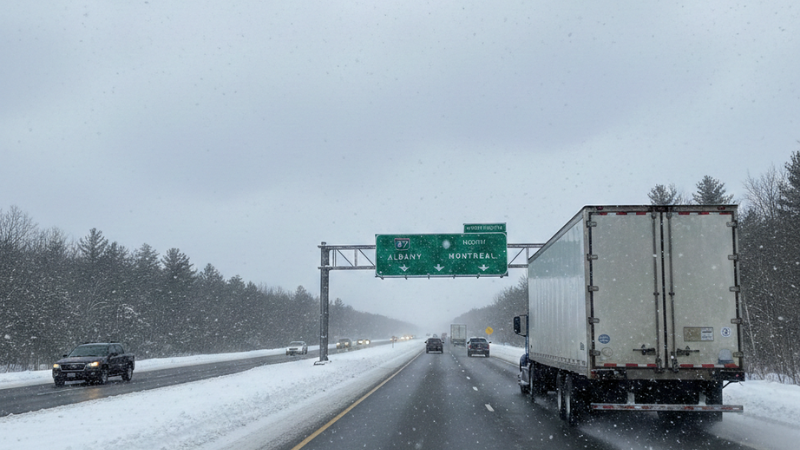
Snow Removal and Highway Oversight
In New York City, snow removal on city-managed streets is overseen by the New York City Department of Sanitation. Certain highways may fall under additional state-level jurisdiction depending on roadway designation.
The Federal Highway Administration reports that nearly 70% of U.S. roads are located in snowy regions, and more than 20% of vehicle crashes nationwide are weather-related.
https://ops.fhwa.dot.gov/weather/overview.htm
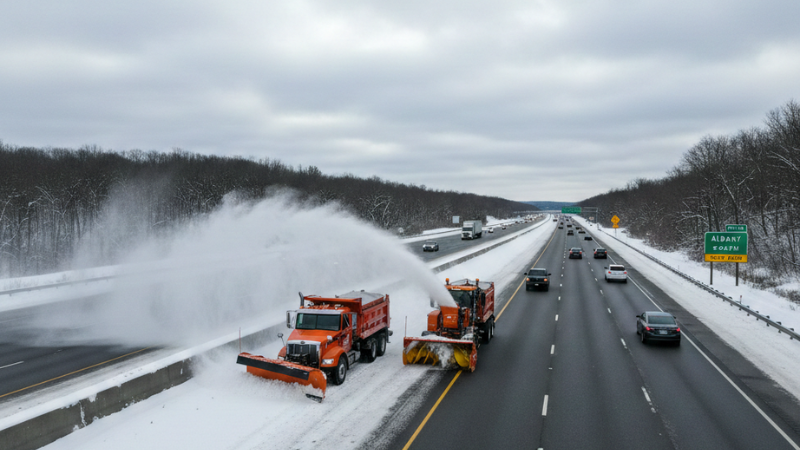
When winter conditions are present, documentation may include maintenance logs, plowing activity records, and roadway treatment schedules. Reviews focus on recorded conditions and timing rather than assumptions about responsibility.
Commercial Vehicles and Winter Highway Dynamics
Collisions involving both passenger vehicles and tractor trailers introduce additional mechanical and operational considerations. The Federal Motor Carrier Safety Administration (FMCSA) publishes guidance and data concerning commercial vehicle safety standards.
https://www.fmcsa.dot.gov/safety
Large trucks generally require longer stopping distances than passenger vehicles, particularly in adverse weather. In winter-related collisions, review processes may examine:
-
Brake system performance
-
Tire condition and traction
-
Load weight and distribution
-
Driver visibility conditions
-
Recorded vehicle movement data
When a fatality occurs, reconstruction specialists may analyze vehicle speeds, impact angles, and roadway geometry. On major highways such as the Long Island Expressway, traffic density and merging activity may also be documented as part of the broader evaluation.
Winter Driving Conditions in the Northeast
The Northeast region experiences frequent freeze-thaw cycles during winter months. According to the National Oceanic and Atmospheric Administration (NOAA), temperature fluctuations can contribute to the formation of black ice and uneven melting patterns.
https://www.noaa.gov/weather
Investigations involving winter crashes may include review of temperature records, prior snowfall timelines, and documented roadway treatments in the days leading up to the incident.
The reported fact that a livery driver was killed on the LIE highlights how winter conditions can intersect with high-speed traffic environments. Official reviews typically proceed through structured documentation, technical analysis, and coordination among relevant agencies.
Public Impact and Documentation Processes
Fatal highway crashes carry significant personal and community impact. In such cases, documentation generally involves official reports, scene analysis, and review of vehicle data where available.
These processes may include coordination between local authorities, transportation agencies, and commercial vehicle oversight bodies. Early stages of review focus on gathering factual information rather than reaching immediate conclusions.
William Schwitzer & Associates represents individuals and families affected by serious motor vehicle collisions throughout New York City, including incidents involving commercial vehicles and winter roadway conditions. The firm’s role is to advocate on behalf of those impacted by significant traffic events.
Disclaimer:
This article is provided for general informational purposes only and does not constitute legal advice. Every situation is unique. For information about a specific matter, individuals may contact William Schwitzer & Associates directly.