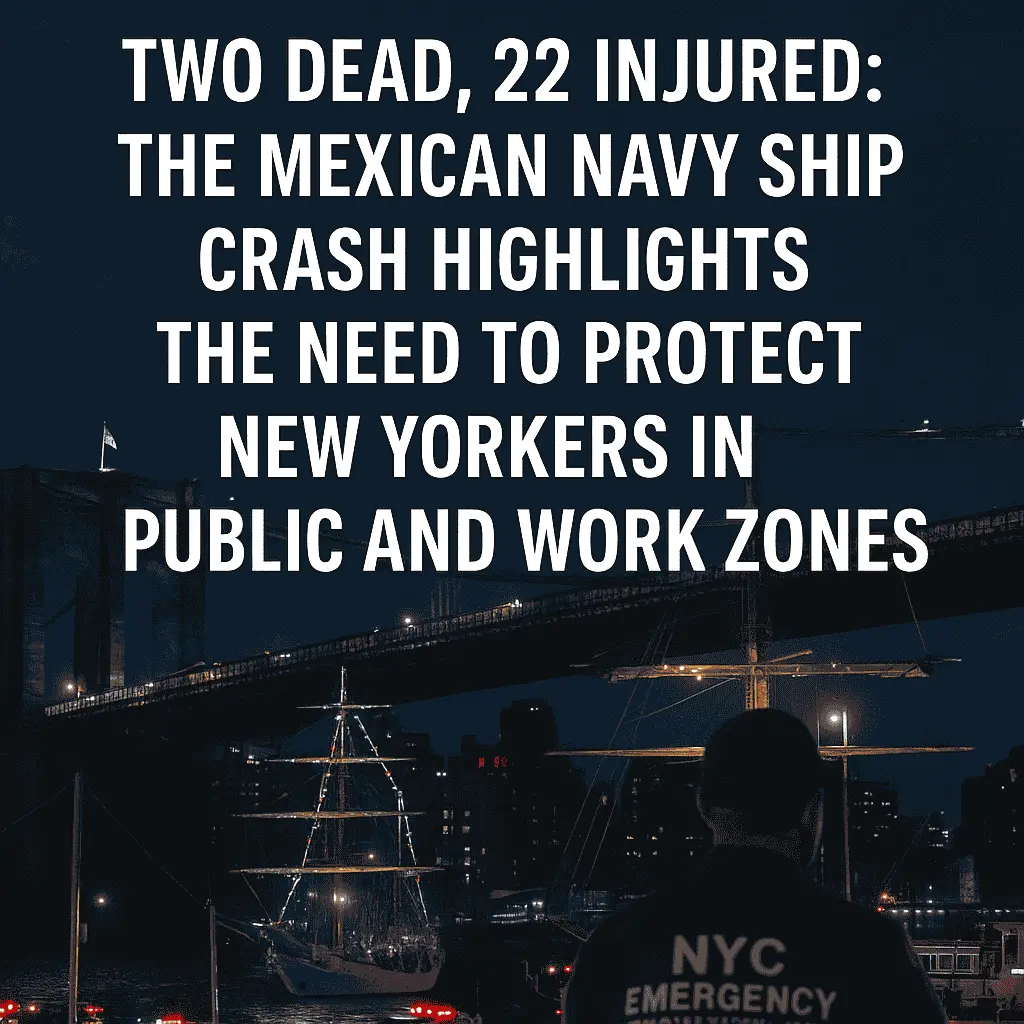
A mediados de mayo de 2025, un buque escuela de la Armada mexicana que se encontraba de visita sufrió una grave colisión marítima cerca del puente de Brooklyn. El incidente se saldó con varios fallecidos y heridos, y dio lugar a una investigación federal sobre un posible fallo mecánico y el control de la navegación.
Este trágico accidente de un buque de la Armada mexicana es ahora objeto de una investigación federal. Según los primeros informes de la Junta Nacional de Seguridad en el Transporte, el buque sufrió un fallo mecánico que le impidió desviarse a tiempo. Aunque el puente no sufrió daños estructurales a largo plazo, el accidente dejó dolorosamente claro que se puso en peligro la vida de los trabajadores y de la población.
Obras de construcción, zonas públicas y riesgos ocultos
El Puente de Brooklyn es mucho más que un elemento emblemático del perfil urbano de Nueva York. Es un lugar de trabajo para equipos de construcción, ingenieros y personal de mantenimiento. También es un destino para turistas, ciclistas y familias que disfrutan de la ribera. Cuando una embarcación de 297 pies choca inesperadamente contra la infraestructura que sustenta tantas vidas, la cuestión ya no se reduce a un simple fallo mecánico. Se convierte en un momento para reflexionar sobre cómo se gestionan y protegen los espacios urbanos.
Los trabajadores que se encargan del mantenimiento del puente y las cuadrillas que operan cerca del muelle 17 y del South Street Seaport suelen encontrarse en entornos en los que la exposición a embarcaciones en movimiento, al tráfico y a las aglomeraciones es constante. Estas zonas están repletas de grúas, equipos de aparejo, vallas y trabajadores que realizan sus tareas a solo unos pies de los puntos de acceso al público. La presencia de estos trabajadores es habitual, pero los riesgos a los que se enfrentan distan mucho de ser normales.
En este contexto, el accidente del buque de la Armada mexicana deja de ser un simple incidente marítimo aislado. Representa una situación en la que la construcción y la vida pública se entrecruzan. Este cruce no es nada inusual. Forma parte de la vida cotidiana en una ciudad construida en torno a la movilidad, el progreso y la densidad.
Lo que sabemos sobre el incidente
El Cuauhtémoc, un buque de la Armada mexicana, se encontraba de visita en Nueva York como parte de una misión de buena voluntad de 254 días. El buque acababa de celebrar una jornada de puertas abiertas para el público y tenía previsto zarpar hacia Islandia. Esa salida nunca se produjo tal y como estaba previsto. Poco después de atracar en el muelle 17, el buque sufrió un corte de energía. Se desplazó a la deriva hacia el puente de Brooklyn y chocó contra su parte inferior, rompiendo sus tres mástiles altos. El incidente provocó numerosos heridos, víctimas mortales y un pánico generalizado.
El alcalde de la ciudad de Nueva York, Eric Adams, emitió un comunicado público en la red social X en el que afirmaba: «Rezamos por todas las personas que iban a bordo y por sus familias, y estamos agradecidos a nuestros equipos de primera intervención, que actuaron con rapidez para evitar que este accidente tuviera consecuencias mucho más graves». Sin embargo, para quienes se encontraban cerca, incluidos los trabajadores de la construcción y del sector marítimo, el suceso sirvió para recordar lo rápido que pueden agravarse las situaciones.
¿Te interesa leer más noticias y artículos como «El accidente de un buque de la Armada mexicana pone de relieve la necesidad de proteger a los neoyorquinos en las zonas públicas y de trabajo»? Entonces lee nuestra entrada de blog más popular:«Lo que revela la cancelación de la inauguración del Brooklyn Mirage sobre la negligencia en la construcción y la seguridad pública en 2025».
Por qué es importante para la seguridad de los trabajadores y de la población
Según la Oficina de Estadísticas Laborales de EE. UU., el sector de la construcción sigue siendo uno de los más peligrosos del país. En 2022, la construcción representó más del 20 % de todas las muertes laborales en el sector privado. Las caídas, los incidentes por impacto de objetos y los accidentes relacionados con el transporte son las principales causas. Lo que hace que el choque del buque de la Armada mexicana destaque es la repentina colisión de una amenaza externa poco habitual con una estructura que, por lo demás, era estable.
Este incidente no tuvo lugar en un lugar apartado. Ocurrió en uno de los puentes más transitados de Estados Unidos, a solo unas yardas de donde trabajadores de la construcción, vendedores ambulantes, turistas y residentes se cruzan a diario.
Ofrece la oportunidad de pensar de manera más amplia sobre cómo se protege a los neoyorquinos en las zonas donde se cruzan el trabajo y la vida pública.
Desde un punto de vista jurídico, esto implica comprender cómo los riesgos imprevistos, como la pérdida de control de una embarcación ajena, afectan a la responsabilidad civil, la prevención y la planificación. Desde el punto de vista de la seguridad, pone de relieve la importancia de las zonas de seguridad, los sistemas de alerta, la coordinación en tiempo real y la concienciación de los trabajadores en las zonas públicas con mucho tráfico.
Lecciones de la crisis
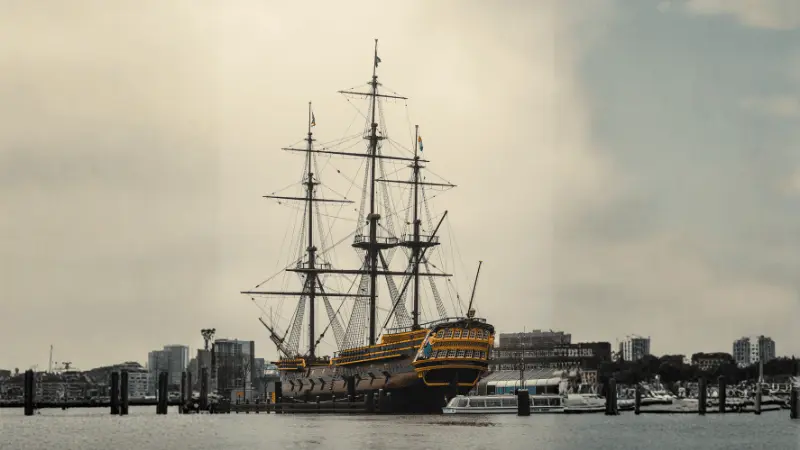
El incidente demuestra que incluso una infraestructura bien mantenida es vulnerable a sucesos que escapan a su diseño. Un barco, diseñado para la navegación de larga distancia, chocó contra un puente que nunca se construyó para soportar el impacto de una embarcación tan alta. Los mástiles del Cuauhtémoc medían 160 pies de altura. El barco estaba adornado con luces y banderas. Era visible y había sido objeto de celebraciones apenas unas horas antes del accidente. Sin embargo, en un abrir y cerrar de ojos, su trayectoria lo cambió todo.
Mientras la Junta Nacional de Seguridad en el Transporte continúa con su investigación, los hechos serán fundamentales. Pero también lo será el debate más amplio que se genere a raíz de ello. ¿Cómo podemos crear sistemas que garanticen la seguridad de los trabajadores y de la población incluso cuando se produce un imprevisto?
De cara al futuro
La ciudad tiene la responsabilidad de tener en cuenta la interrelación entre el turismo, la construcción y el transporte en sus políticas de seguridad. Hay cientos de obras en marcha cerca de los puentes, túneles, muelles y accesos al metro de Nueva York. Muchas de estas zonas lindan con parques públicos, ríos y rutas de transporte de cercanías. Las personas que se encuentran en estas zonas son vulnerables a los riesgos relacionados con las obras y a incidentes externos incontrolables, como el que ocurrió el 17 de mayo.
Ya sea que se deban a un buque, a un vehículo, a un fallo técnico o a un problema estructural, incidentes como este merecen algo más que un ciclo de noticias. Exigen una respuesta meditada.
Apoyo a los neoyorquinos lesionados
En WSAT Law, defendemos a las personas afectadas por accidentes inesperados. Tanto si alguien resulta herido mientras trabaja en un puente como si sufre lesiones por causas ajenas a su voluntad, nuestra misión es ayudarle a conocer sus derechos. Si tú o un ser querido os habéis visto afectados por un incidente público o una lesión en una zona de obras en la ciudad de Nueva York, nuestro equipo está a vuestra disposición para ofreceros apoyo y asesoramiento jurídico.
Llame al (212) 683-3800 para ponerse en contacto con William Schwitzer & Associates.
Importante:
Esta información es solo una guía general y NO CONSTITUYE ASESORAMIENTO JURÍDICO. Cada caso es diferente.
Las imágenes utilizadas son ilustraciones conceptuales.
La mejor opción es llamar a nuestras oficinas para recibir ayuda especializada.
Llame al (212) 683-3800 para
ponerse en contacto con William Schwitzer & Associates
y recibir asistencia jurídica.