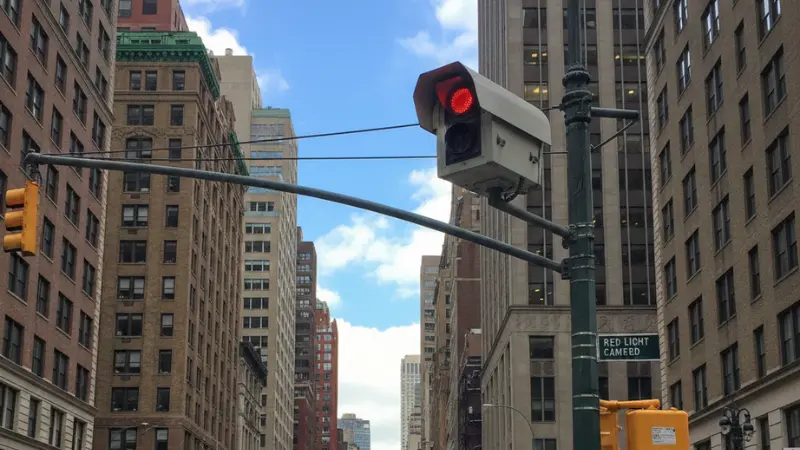
En 2026, el Departamento de Transporte de Nueva York (NYC DOT) comenzará a poner en funcionamiento cámaras de semáforo en rojo adicionales en los cinco distritos, lo que supone una importante ampliación de la vigilancia automatizada en los cruces.
En enero de 2026, el Departamento de Transporte de la ciudad de Nueva York anunció que comenzaría a poner en funcionamiento cámaras de semáforo en rojo en 50 nuevos cruces por semana durante cinco semanas consecutivas. El objetivo a largo plazo es llegar a los 600 cruces para finales de 2026. Antes de esta ampliación, las cámaras se limitaban a 150 ubicaciones.
Las autoridades municipales han declarado que la ampliación se produce tras la autorización de la Asamblea Legislativa estatal para aumentar la envergadura del programa.
Cómo funciona el programa de cámaras de semáforo del Departamento de Transporte de Nueva York (NYC DOT) de 2026
El programa de cámaras de semáforo en rojo de la ciudad de Nueva York lleva en funcionamiento aproximadamente 30 años. Las cámaras fotografían automáticamente a los vehículos que se adentran en un cruce después de que el semáforo haya pasado a rojo. A continuación, las infracciones se tramitan a través de un sistema automatizado.
Según los datos del Departamento de Transporte de Nueva York (NYC DOT) citados en el comunicado:
-
Las infracciones por saltarse un semáforo en rojo se redujeron un 73 % en los puntos con cámaras
-
Los accidentes con colisión lateral se redujeron en un 65 %
-
Las colisiones por alcance se redujeron en un 49 %
Estas cifras reflejan la reducción del número de accidentes en los cruces en los que se instalaron cámaras.
Un estudio nacional de la Administración Federal de Carreteras también ha analizado el impacto en la seguridad de la vigilancia automatizada en los cruces con semáforos. Los estudios federales han revelado que los programas de cámaras en los semáforos se asocian con una reducción de determinados tipos de accidentes graves en ángulo (fuente: .gov).
Los datos sobre accidentes a nivel nacional son recopilados por la Administración Nacional de Seguridad Vial, que gestiona el Sistema de Información y Análisis de Accidentes Mortales (FARS), un censo a escala nacional de accidentes mortales de tráfico (.gov).
Por qué son importantes los accidentes en los cruces
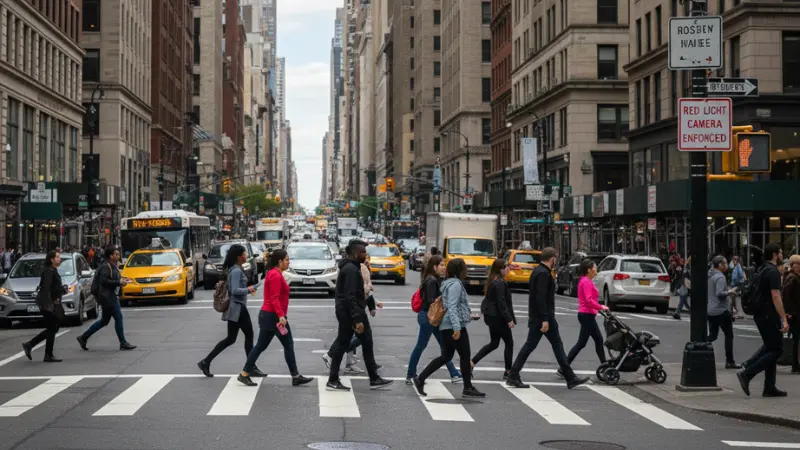
Los cruces son uno de los puntos más complejos de cualquier red viaria. Los vehículos circulan en múltiples direcciones. Los peatones cruzan. Los ciclistas se abren paso entre el tráfico que gira. La sincronización de los semáforos y el comportamiento de los conductores se entrecruzan de formas que entrañan un alto riesgo.
Según los datos de la NHTSA, los accidentes relacionados con intersecciones representan una parte significativa de las colisiones graves y mortales en todo el país. Los entornos urbanos con gran afluencia de peatones pueden presentar riesgos adicionales.
En la ciudad de Nueva York, el diseño de los cruces, la sincronización de los semáforos y las estrategias de control suelen evaluarse de forma conjunta. Las cámaras de semáforo en rojo son una herramienta de control más entre muchas otras.
La ampliación a 600 cruces
En el marco del plan para 2026, el Departamento de Transporte de Nueva York (NYC DOT) ampliará el programa a 600 cruces de toda la ciudad. Se prevé que las decisiones sobre su ubicación tengan en cuenta factores como el historial de accidentes y los datos de seguridad.
Esta ampliación también se inscribe en el marco de unas iniciativas más amplias de seguridad vial en toda la ciudad, centradas en reducir el número de lesiones graves y de víctimas mortales.
Los defensores del programa se basan en datos a largo plazo que sugieren que la vigilancia automatizada modifica el comportamiento de los conductores con el paso del tiempo. Según las cifras municipales, la mayoría de los vehículos que reciben una multa por saltarse un semáforo en rojo no vuelven a cometer la infracción.
Contexto jurídico y civil
Aunque las cámaras de semáforo están diseñadas para velar por el cumplimiento de la normativa y actuar como medida disuasoria, los accidentes en los cruces pueden seguir provocando lesiones graves o víctimas mortales.
Cuando se producen colisiones en cruces, las investigaciones suelen centrarse en:
-
Sincronización de la fase de la señal
-
Circulación de vehículos y prioridad de paso
-
Marcas viales y señalización
-
Cumplimiento de las normas de tráfico por parte de los conductores
Si un accidente provoca lesiones graves o la muerte, la responsabilidad civil puede evaluarse con arreglo a los principios de negligencia. Los tribunales valoran si el conductor incumplió las señales de tráfico o no condujo el vehículo con el cuidado razonable.
La aplicación automática de las normas no sustituye a la revisión civil. Por el contrario, coexiste con marcos jurídicos más amplios diseñados para garantizar la rendición de cuentas tras incidentes graves.
Un enfoque basado en datos para la seguridad en los cruces
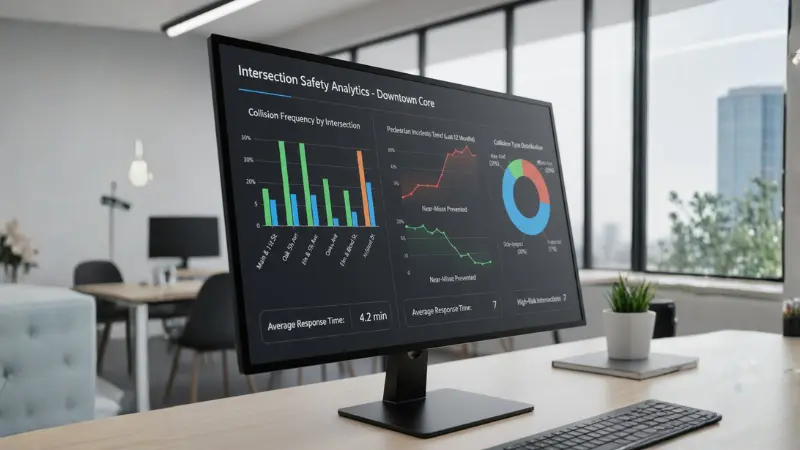
La ampliación de las cámaras de semáforo en 2026 supone un enfoque basado en datos para la seguridad vial en la ciudad de Nueva York. Al aumentar el número de cruces vigilados, la ciudad está ampliando la vigilancia automatizada en los puntos identificados mediante el análisis de accidentes.
Mientras los organismos federales y locales siguen analizando las tendencias en materia de accidentes, la seguridad en los cruces sigue siendo un aspecto fundamental de la política de transporte urbano.
En William Schwitzer & Associates, nuestra labor se centra en la representación de personas y familias afectadas por accidentes graves de tráfico en todo el estado de Nueva York. Los accidentes en cruces suelen plantear cuestiones fácticas y jurídicas complejas, especialmente cuando intervienen dispositivos de control del tráfico.
Importante:
Esta información es solo una guía general y NO CONSTITUYE ASESORAMIENTO JURÍDICO. Cada caso es diferente. La mejor opción es llamar a nuestras oficinas para obtener ayuda especializada; llama al (212) 683-3800 y ponte en contacto con William Schwitzer & Associates para recibir asistencia jurídica.
Las imágenes que aparecen en este blog tienen únicamente fines ilustrativos.